
AYURVEDIC TREATMENT FOR ARTHRITIS
Root cause based ayurvedic approach to arthritis management
- ✅ Helps Manage Degenerative & Inflammatory Arthritis
- ✅ Supports Cartilage, Bone & Joint Health
- ✅ Improves Joint Mobility & Flexibility
- ✅ Supports Cervical Disc & Spine Health
- ✅100% Natural & Steroid-Free Ayurvedic Care
- ✅ Experienced Ayurvedic Doctors for Arthritis Care
Arthritis is a chronic joint condition that causes persistent pain, stiffness, swelling, and reduced mobility, significantly affecting daily activities and quality of life. Many patients seek Ayurvedic treatment for Arthritis when conventional pain management provides only temporary relief. Ayurveda, used as a complementary approach under qualified medical supervision, focuses on reducing inflammation, relieving joint pain and stiffness, improving flexibility, and supporting long-term joint health through natural therapies.
Submit your contact information to get a FREE CALL from our Professionals
Let’s take a step towards alleviating varicocele naturally
Hurry up, we have only limited slots
Why Choose PureVedicLife?

Free Home Delivery – Ayurveda at Your Doorstep
Get Ayurvedic medicines & wellness products delivered for free, right to your doorstep.
Root Cause Treatment – Heal from Within
Heal from within! Our personalized Ayurveda therapies address the root cause of your health concerns.

Online & In-Clinic Consultation – Health Anytime, Anywhere
Talk to expert Ayurvedic doctors anytime, anywhere—via video call or in-person visits.

Dedicated Follow-Up Support – Your Healing Partner
We monitor your progress and guide you throughout your healing journey.

100% Natural, Herbal & Safe Products
Pure Ayurvedic products made from natural herbs for effective and safe treatment.
100% Refund Policy
Your Satisfaction, Guaranteed!
What is Arthritis?
Arthritis is a common joint disorder that involves inflammation of one or more joints, leading to pain, stiffness, swelling, and reduced range of motion. It can affect people of all ages and commonly impacts joints such as the knees, hips, hands, spine, and shoulders. The condition may worsen with age, physical strain, or prolonged inactivity, and in some cases, it can interfere with daily activities and overall mobility. Different forms of arthritis, including osteoarthritis and inflammatory arthritis, may cause varying degrees of joint discomfort and functional limitation.
Arthritis is a manageable condition when diagnosed early and treated with a comprehensive approach. Ayurvedic treatment for Arthritis focuses on reducing joint inflammation, relieving pain and stiffness, and improving flexibility through natural methods. This holistic approach includes dietary correction, lifestyle modifications, herbal therapies, and detoxification techniques. Ayurveda, the ancient Indian system of medicine, emphasizes balancing the doshas—Vata, Pitta, and Kapha—to support long-term joint health and enhance overall quality of life.
Symptoms Of Arthritis
Signs a Arthritis patient may experience are –
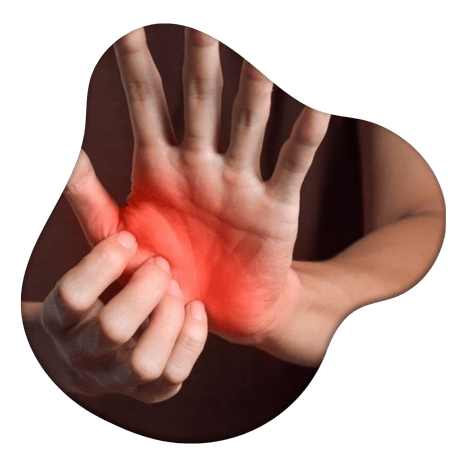
- Joint Pain – Persistent pain in one or more joints is the most common symptom, often worsening with movement or after long periods of rest.
- Joint Stiffness – Stiffness in the joints, especially in the morning or after inactivity, making movement and flexibility difficult.
- Swelling & Inflammation – Affected joints may appear swollen, tender, warm, or inflamed due to ongoing joint inflammation.
- Reduced Joint Mobility – Arthritis can limit the range of motion in joints, affecting daily activities such as walking, gripping, or bending.
- Joint Tenderness – Pain or discomfort may be felt even with light pressure around the affected joints.
- Fatigue & Weakness – Chronic pain and inflammation can lead to constant tiredness, reduced energy levels, and muscle weakness.
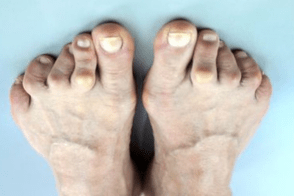
- Joint Deformity (Advanced Stages) – In long-standing or severe arthritis, joints may become deformed, affecting posture and function.
Causes Of Arthritis
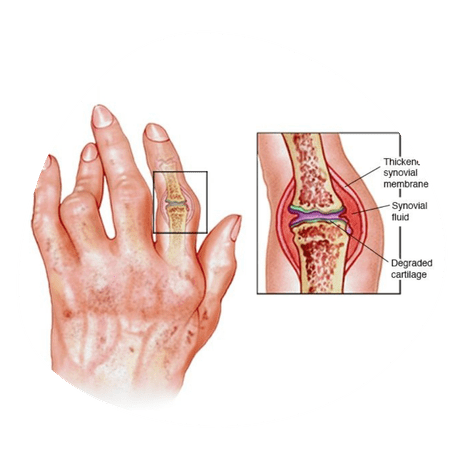
Several factors contribute to the development of Arthritis, a condition that causes inflammation and degeneration of the joints. One of the primary causes is age-related wear and tear, especially in osteoarthritis, where the protective cartilage between joints gradually breaks down. This leads to joint pain, stiffness, swelling, and reduced mobility over time. Inflammatory types of arthritis may occur due to an abnormal immune response that attacks healthy joint tissues.
Lifestyle and health factors also play an important role in the development of Arthritis. Poor posture, repetitive joint stress, obesity, lack of physical activity, previous joint injuries, and genetic predisposition can increase the risk of arthritis. If left unmanaged, ongoing joint inflammation and degeneration may lead to chronic pain, joint deformity, and difficulty performing daily activities, highlighting the importance of early diagnosis and proper management.
Some other causes of Arthritis are –
Age-Related Joint Degeneration
Natural Wear & Tear
With increasing age, joint cartilage gradually wears down, leading to pain, stiffness, swelling, and reduced joint mobility, especially in weight-bearing joints.
Autoimmune Disorders
Immune System Dysfunction
In inflammatory arthritis, the immune system mistakenly attacks healthy joint tissues, causing chronic inflammation, pain, and progressive joint damage.
Joint Cartilage Damage
Reduced Shock Absorption
Damage or thinning of joint cartilage reduces cushioning between bones, resulting in friction, stiffness, and pain during movement.
Previous Joint Injury
Trauma-Related Changes
Past injuries, fractures, or repeated stress on joints can increase the risk of developing arthritis later in life.
Obesity & Excess Joint Load
Increased Joint Pressure
Excess body weight puts additional stress on joints like knees, hips, and spine, accelerating joint degeneration and pain.
Vata & Ama Imbalance
Degenerative Dosha Imbalance
According to Ayurveda, aggravated Vata and accumulation of Ama (toxins) contribute to joint degeneration, pain, and stiffness.
Arthritis can develop gradually due to inflammation or degeneration of the joints, affecting cartilage, bones, and surrounding tissues. In the early stages, symptoms may appear slowly and worsen over time, leading to chronic joint pain, stiffness, swelling, and reduced mobility. If not managed properly, the condition can interfere with posture, movement, and daily activities. Consulting a qualified specialist along with supportive Ayurvedic management may help reduce inflammation, relieve stiffness, and support long-term joint health naturally.
If talking about Arthritis, the symptoms may include –
- Chronic joint pain and discomfort
- Joint stiffness, especially in the morning or after inactivity
- Swelling and tenderness around affected joints
- Reduced joint mobility and flexibility
- Pain during movement or weight-bearing activities
- Joint deformity in advanced stages
- Fatigue and disturbed sleep
Diagnosis Of Arthritis
Proper diagnosis is a crucial step in planning effective treatment for Arthritis. Since arthritis symptoms may develop gradually and often resemble common joint pain or stiffness, a detailed clinical evaluation is essential. Doctors assess symptoms, medical history, joint mobility, swelling, and pain patterns to understand the type and severity of arthritis. To confirm the diagnosis and evaluate disease progression, several investigations may be advised, such as –

Blood Tests
Blood tests are commonly used to help diagnose and classify different types of Arthritis, especially inflammatory forms such as Rheumatoid Arthritis. These tests may include markers of inflammation and autoimmune activity to assess disease severity and rule out other conditions. Blood tests help doctors understand the underlying cause of joint pain, stiffness, swelling, and fatigue, and support accurate diagnosis and treatment planning.

Physical & Clinical Examination
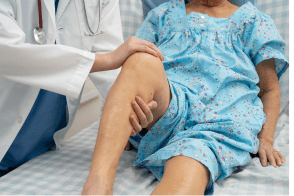
A physical examination is performed to assess joint swelling, tenderness, range of motion, stiffness, and functional limitation. Doctors evaluate pain patterns, morning stiffness duration, joint deformities, and how symptoms respond to movement or rest. Clinical examination helps determine the type of arthritis involved and the extent of joint damage affecting daily activities.

Imaging tests
Imaging tests play an important role in diagnosing and monitoring Arthritis. X-rays help identify joint space narrowing, cartilage loss, bone changes, and deformities, while MRI or ultrasound scans provide detailed images of soft tissues, inflammation, and early joint damage. Imaging supports accurate diagnosis, disease staging, and long-term management planning.
Early diagnosis of Arthritis helps control inflammation, reduce joint damage, and improve long-term mobility and quality of life.
Ayurvedic Treatment For Arthritis
Ayurveda is an ancient system of medicine that originated in India and focuses on treating diseases by addressing their root cause rather than only managing symptoms. In Arthritis, Ayurvedic treatment aims to reduce joint inflammation, relieve pain and stiffness, and improve joint mobility. This holistic approach works on balancing the body, mind, and doshas to support long-term joint health and overall well-being. Below are some key aspects of Ayurvedic treatment for Arthritis, which may include –

Herbal Remedies
Ayurvedic practitioners use specific herbal formulations to help reduce joint pain, swelling, and stiffness associated with Arthritis. These herbs are traditionally selected to pacify aggravated Vata and remove Ama (toxins), which are considered major contributors to joint inflammation and degeneration. Herbal remedies aim to nourish joints, improve circulation, and support long-term mobility when used under professional guidance.

Dietary Guidelines
Ayurveda emphasizes a balanced and personalized diet to manage Arthritis effectively. Dietary guidelines focus on improving digestion, reducing inflammation, and preventing toxin accumulation in the joints. Warm, light, and easily digestible foods are generally recommended, while excessive cold, processed, oily, and heavy foods are discouraged to help control joint stiffness and pain.

Panchakarma Therapy
Panchakarma therapy includes specialized detoxification and rejuvenation procedures designed to remove accumulated toxins and balance doshas. In Arthritis, therapies such as Abhyanga (medicated oil massage), Swedana (therapeutic sweating), and selected Basti procedures may be advised based on individual assessment. These therapies aim to reduce joint inflammation, relieve stiffness, and improve joint flexibility.

Yoga and Meditation
Yoga and meditation are important components of Ayurvedic management for Arthritis. Specific yoga asanas help strengthen muscles around the joints, improve flexibility, and support better posture, while pranayama techniques enhance circulation and reduce inflammation. Meditation helps manage stress, which plays a significant role in controlling chronic joint pain and flare-ups.

Lifestyle Changes
Ayurveda encourages lifestyle modifications to prevent symptom flare-ups and slow the progression of Arthritis. Maintaining a regular sleep routine, staying physically active with gentle joint exercises, managing stress, and avoiding prolonged inactivity help support joint health. Adopting an Ayurvedic lifestyle promotes better mobility, reduced pain, and improved quality of life.

Ayurvedic Medications
Ayurvedic physicians prescribe medications based on an individual’s Prakriti (body constitution) and Vikriti (current imbalance). In Arthritis, medicines are chosen to address inflammation, pain, stiffness, and joint degeneration while supporting long-term joint strength. These medications should always be taken under expert supervision to ensure safety and effectiveness.