
AYURVEDIC TREATMENT FOR FROZEN SHOULDER
Root cause BASED AYURVEDIC APPROACH TO FROZEN SHOULDER MANAGEMENT
- Safe Long-Term Ayurvedic Management
- Reduces Shoulder Pain, Stiffness & Restricted Movement
- Improves Shoulder Mobility & Range of Motion
- Supports Immune Balance & Long-Term Joint Health
- 100% Natural & Steroid-Free Ayurvedic Care
- Experienced Ayurvedic Doctors for Rheumatoid Arthritis
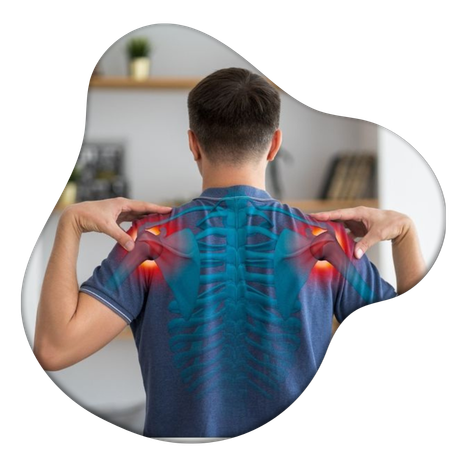
Frozen Shoulder, also known as adhesive capsulitis, is a chronic musculoskeletal condition characterized by progressive shoulder pain, stiffness, and a marked reduction in range of motion. It occurs when the connective tissues surrounding the shoulder joint become inflamed and tight, leading to difficulty in daily activities such as lifting the arm, dressing, or sleeping comfortably. If not managed properly, Frozen Shoulder can significantly affect mobility and quality of life over time.
Many patients seek Ayurvedic treatment for Frozen Shoulder when conventional treatments provide only temporary pain relief or cause long-term side effects. Ayurveda, used as a complementary approach under qualified medical supervision, focuses on reducing inflammation, relieving stiffness, pacifying aggravated Vata dosha, improving joint lubrication, and restoring natural shoulder movement. This holistic approach aims to support long-term shoulder health and functional recovery naturally.
Submit your contact information to get a FREE CALL from our Professionals
Let’s take a step towards alleviating varicocele naturally
Hurry up, we have only limited slots
Why Choose PureVedicLife?

Free Home Delivery – Ayurveda at Your Doorstep
Get Ayurvedic medicines & wellness products delivered for free, right to your doorstep.
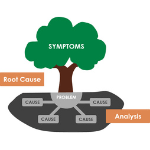
Root Cause Treatment – Heal from Within
Heal from within! Our personalized Ayurveda therapies address the root cause of your health concerns.

Online & In-Clinic Consultation – Health Anytime, Anywhere
Talk to expert Ayurvedic doctors anytime, anywhere—via video call or in-person visits.

Dedicated Follow-Up Support – Your Healing Partner
We monitor your progress and guide you throughout your healing journey.

100% Natural, Herbal & Safe Products
Pure Ayurvedic products made from natural herbs for effective and safe treatment.
100% Refund Policy
Your Satisfaction, Guaranteed!
What is Frozen Shoulder?
Frozen Shoulder, medically known as adhesive capsulitis, is a chronic musculoskeletal condition that primarily affects the shoulder joint, causing persistent pain, stiffness, and significantly reduced range of motion. In this condition, the connective tissue capsule surrounding the shoulder joint becomes inflamed, thickened, and tight, restricting normal shoulder movement.
Frozen Shoulder usually develops gradually and is often worse in the early morning or after long periods of inactivity, with stiffness lasting for extended durations. Over time, if inflammation and stiffness are not managed properly, the condition can lead to severe limitation in arm movement, muscle weakness, disturbed sleep, and difficulty performing daily activities such as lifting, dressing, or reaching overhead.
Frozen Shoulder is a manageable condition when diagnosed early and treated appropriately. Ayurvedic treatment for Frozen Shoulder focuses on reducing inflammation, relieving stiffness, balancing aggravated Vata dosha, improving joint lubrication, and restoring natural shoulder mobility through a holistic approach involving herbal therapies, diet, lifestyle correction, and therapeutic procedures under expert supervision.
Symptoms Of Frozen Shoulder
Signs a Frozen Shoulder patient may experience are –
- Shoulder Pain – Persistent pain in one shoulder, often worsening at night or with movement. Pain may radiate to the upper arm and disturb sleep.
- Severe Shoulder Stiffness – Progressive stiffness in the shoulder joint, making it difficult to move the arm freely, especially after rest or in the morning.
- Restricted Range of Motion – Difficulty lifting the arm, rotating the shoulder, reaching overhead, or performing routine tasks like dressing or combing hair.
- Pain During Movement – Sharp or dull pain while attempting shoulder movements such as raising, rotating, or stretching the arm.
- Muscle Weakness – Reduced use of the affected shoulder over time may lead to muscle weakness and loss of strength.
- Difficulty in Daily Activities – Activities like driving, sleeping on the affected side, lifting objects, or wearing clothes become painful and challenging.
- Gradual Worsening of Symptoms – Symptoms usually develop slowly, worsen over months, and may persist for a long duration if not treated properly.
Causes Of Frozen Shoulder
Ayurveda offers a holistic and root-cause–based approach to the management of Frozen Shoulder, focusing on reducing pain, stiffness, and inflammation while restoring shoulder mobility naturally. In Ayurveda, Frozen Shoulder is commonly associated with aggravated Vata dosha and Ama (toxin) accumulation, which together lead to restricted movement, joint tightness, and chronic shoulder discomfort. Ayurvedic treatment aims to detoxify the body, balance doshas, and nourish joint and muscle tissues rather than providing only temporary pain relief.
A key component of Ayurvedic treatment for Frozen Shoulder is herbal therapy, which includes carefully selected formulations to help reduce inflammation, relax stiff muscles, improve circulation, and support joint lubrication. These herbs help relieve pain, reduce stiffness, and promote gradual improvement in shoulder flexibility when taken under proper medical guidance.
Along with herbal support, Panchakarma therapies such as Abhyanga (medicated oil massage), Swedana (therapeutic sweating), and localized Basti or external therapies may be recommended based on the individual’s condition. These therapies help loosen tight tissues, improve blood flow, reduce pain, and enhance the range of motion in the affected shoulder.
Ayurvedic management also emphasizes dietary correction and lifestyle modifications to prevent symptom worsening and support long-term recovery. A Vata-pacifying diet, regular gentle shoulder exercises, yoga, and stress management play an important role in restoring shoulder mobility and improving overall quality of life in Frozen Shoulder patients.
Some other causes of Frozen Shoulder are –
Herbal Remedies
Natural Pain & Stiffness Relief
Ayurvedic herbs help reduce shoulder pain, inflammation, and stiffness by pacifying aggravated Vata dosha and improving blood circulation. These remedies support muscle relaxation, joint lubrication, and gradual restoration of shoulder movement naturally.
Muscle & Nerve Relaxation
Improves Shoulder Mobility
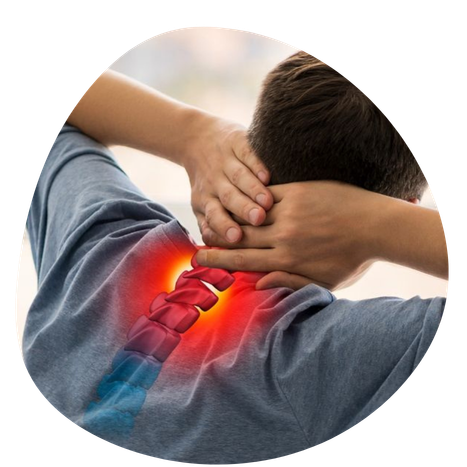
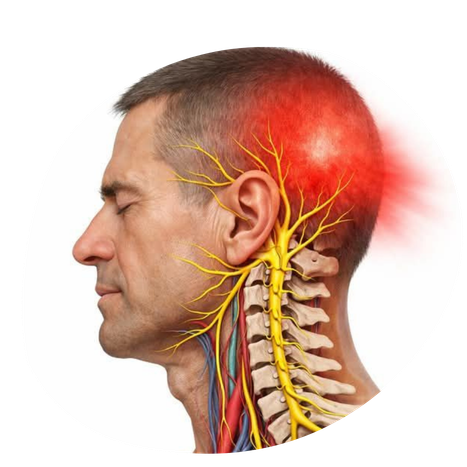
Ayurveda focuses on relieving muscle tightness and nerve compression around the shoulder joint through detoxification and rejuvenation therapies. This helps reduce restricted movement, ease stiffness, and improve range of motion safely over time.
Chronic Joint Stiffness Care
Long-Term Shoulder Function Support
Ayurvedic management helps control chronic shoulder inflammation, prevents further joint rigidity, and supports long-term shoulder flexibility. Regular therapy, guided exercises, and lifestyle correction help restore daily arm movement and functional strength.
Herbal & Rasayana Support
Muscle, Joint & Nerve Care
Ayurveda focuses on reducing shoulder stiffness, pain, and inflammation through carefully selected herbal and Rasayana formulations. These therapies help nourish muscles, lubricate the shoulder joint, calm aggravated Vata dosha, and support gradual recovery of shoulder movement naturally.
Dosha Balance Therapy
Stiffness & Mobility Management
Ayurvedic treatment aims to balance aggravated Vata and Kapha doshas, which are considered primary contributors to Frozen Shoulder. By improving circulation and reducing dryness and rigidity, these therapies help ease movement restriction, reduce pain, and restore shoulder flexibility over time.
Detoxification & Lifestyle Care
Inflammation Reduction & Recovery Support
Through Panchakarma therapies, dietary correction, and lifestyle modifications, Ayurveda helps remove Ama (toxins) that contribute to chronic stiffness and pain. This holistic approach reduces inflammation, prevents recurrence, and supports long-term shoulder joint health and daily arm function.
Frozen Shoulder can develop gradually due to inflammation, stiffness, and tightening of the shoulder joint capsule, leading to restricted movement and persistent pain. In the early stages, symptoms may start slowly and worsen over time, causing increasing stiffness, reduced shoulder mobility, and difficulty performing daily arm movements. If not managed properly, Frozen Shoulder can significantly affect sleep, posture, and routine activities. Consulting a qualified specialist along with supportive Ayurvedic management may help reduce inflammation, relieve stiffness, improve range of motion, and support long-term shoulder joint recovery naturally.
If talking about Frozen Shoulder, the symptoms may include –
- Persistent shoulder pain, often worsening at night
- Gradual stiffness and reduced shoulder movement
- Difficulty lifting the arm, rotating the shoulder, or reaching overhead
- Shoulder tightness and restricted joint flexibility
- Disturbed sleep due to shoulder pain and discomfort
- Weakness and reduced functional use of the affected arm
Diagnosis Of Frozen Shoulder
Proper diagnosis is a crucial step in planning effective treatment for Frozen Shoulder (Adhesive Capsulitis). Since symptoms usually develop gradually and may resemble common shoulder pain or muscle stiffness, a detailed clinical evaluation is essential. Doctors assess shoulder pain intensity, range of motion limitation, stiffness pattern, medical history, and daily functional difficulty to understand the stage and severity of the condition. To confirm the diagnosis and rule out other shoulder disorders, investigations such as physical movement tests and imaging studies may be advised to evaluate joint capsule tightening, inflammation, and structural involvement.
Blood tests
Blood tests may be advised to rule out underlying conditions that can contribute to Frozen Shoulder, such as diabetes, thyroid disorders, or inflammatory markers. Tests like ESR and CRP help assess inflammation levels, while blood sugar and hormonal profiles help identify metabolic factors that may delay healing. These tests support accurate diagnosis and treatment planning.
Physical & Clinical Examination
A physical examination is essential to assess shoulder stiffness, pain severity, and range of motion. Doctors evaluate active and passive shoulder movements, pain patterns, and functional limitations during daily activities. Clinical assessment helps determine the stage of Frozen Shoulder (freezing, frozen, or thawing phase) and guides appropriate treatment.
Imaging tests
Imaging tests help rule out other shoulder conditions and confirm Frozen Shoulder. X-rays are used to exclude arthritis or fractures, while MRI or ultrasound can identify joint capsule thickening, inflammation, and soft tissue involvement. Imaging supports early diagnosis and helps monitor recovery progress.
Early diagnosis of Frozen Shoulder helps control pain, prevent further stiffness, and improve long-term shoulder mobility and functional recovery.
Ayurvedic Treatment For Frozen Shoulder at Purevedic Life
Ayurveda is an ancient system of medicine that originated in India and focuses on treating diseases by addressing their root cause rather than only managing symptoms. In Frozen Shoulder, Ayurvedic treatment aims to reduce inflammation, relieve shoulder pain, stiffness, and restricted movement, and improve overall shoulder mobility. This holistic approach works on balancing the body, mind, and doshas to support natural healing, restore joint flexibility, and prevent recurrence. Below are some key aspects of Ayurvedic treatment for Frozen Shoulder, which may include –

Herbal Remedies
Ayurvedic practitioners use specific herbal formulations to help reduce shoulder inflammation, relieve pain, and ease stiffness in Frozen Shoulder. These herbs aim to pacify aggravated Vata dosha, improve circulation around the shoulder joint, and nourish muscles, tendons, and ligaments. Herbal support helps restore mobility naturally when taken under professional guidance.

Dietary Guidelines
Ayurveda emphasizes a personalized Vata-balancing and anti-inflammatory diet for managing Frozen Shoulder. Warm, light, and easily digestible foods are preferred to support joint lubrication and muscle relaxation, while cold, dry, and heavy foods are discouraged as they can worsen stiffness, pain, and restricted shoulder movement.

Panchakarma Therapy
Panchakarma therapies help detoxify the body and balance doshas in Frozen Shoulder. Treatments such as Abhyanga (medicated oil massage) and Swedana (therapeutic steam) may be recommended to reduce stiffness, improve blood flow, relax tight shoulder muscles, and gradually restore range of motion under expert supervision.

Yoga and Meditation
Yoga and meditation support shoulder flexibility, muscle relaxation, and stress reduction in Frozen Shoulder. Gentle yoga asanas and stretching exercises help gradually improve shoulder range of motion, reduce stiffness, and relieve pain. Pranayama and meditation aid in calming the nervous system, which supports faster healing and better pain management.

Lifestyle Changes
Ayurveda encourages lifestyle modifications to prevent stiffness and support recovery in Frozen Shoulder. Maintaining proper posture, avoiding prolonged immobility, regular mild shoulder movement, adequate sleep, and stress management help reduce pain and improve shoulder mobility. A disciplined daily routine supports long-term joint and muscle health.

Ayurvedic Medications
Ayurvedic medications are prescribed based on an individual’s Prakriti and Vikriti. In Frozen Shoulder, medicines focus on reducing inflammation, relieving pain, relaxing tight muscles, and nourishing shoulder tissues. These medications should always be taken under expert Ayurvedic supervision to ensure safety and effective recovery.