





AYURVEDIC TREATMENT FOR AVN (AVASCULAR NECROSIS)

Root cause BASED AYURVEDIC APPROACH TO AVN (AVASCULAR NECROSIS) MANAGEMENT

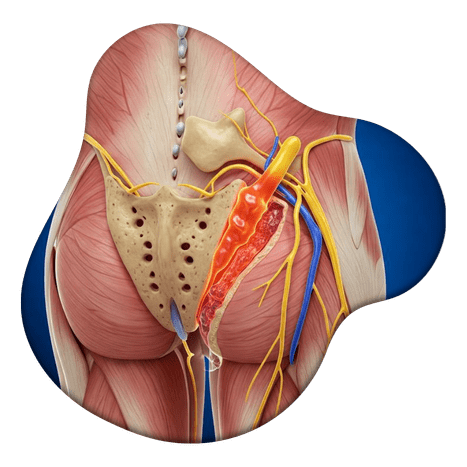
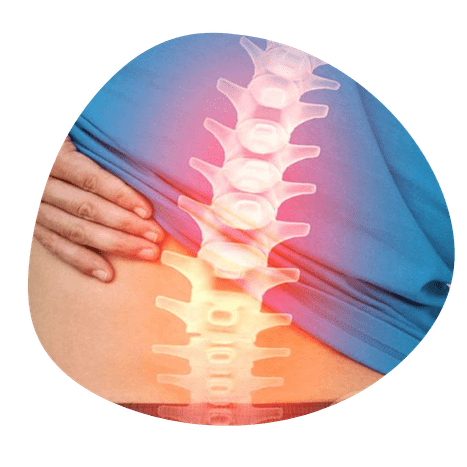
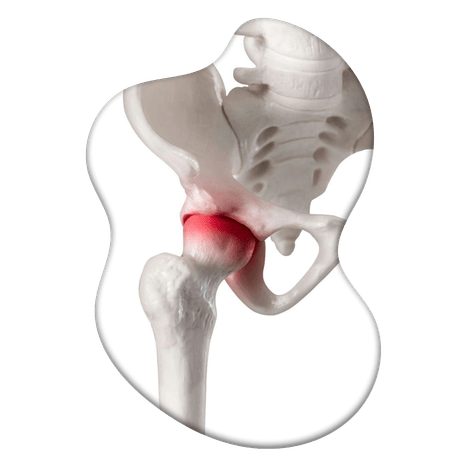
Avascular Necrosis (AVN) is a serious condition caused by reduced blood supply to a bone, leading to bone tissue damage and gradual bone death. It most commonly affects the hip joint but can also impact the knee, shoulder, or ankle. Common symptoms include deep joint pain, stiffness, reduced movement, and difficulty walking. AVN may develop due to long-term steroid use, alcohol consumption, injury, or poor blood circulation. If not treated in time, it can lead to bone collapse and loss of joint function.

Submit your contact information to get a FREE CALL from our Professionals

Let’s take a step towards alleviating varicocele naturally

OR CALL

Hurry up, we have only limited slots

What is Avascular Necrosis (AVN)?

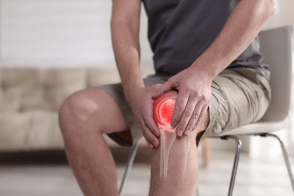
Avascular Necrosis (AVN) is a musculoskeletal condition in which the blood supply to the bone is reduced or completely blocked, leading to damage and gradual death of bone tissue. It most commonly affects the hip joint (femoral head), but can also involve the knee, shoulder, ankle, or other weight-bearing joints. This condition commonly causes symptoms such as deep joint pain, stiffness, reduced range of motion, limping, and difficulty standing or walking for long periods.

AVN develops when poor blood circulation, long-term steroid use, alcohol consumption, trauma, or metabolic imbalances interfere with normal bone nourishment. Reduced blood flow leads to bone weakening, structural collapse, and joint degeneration, restricting normal movement and significantly affecting overall mobility and quality of life.

Avascular Necrosis is a manageable condition when diagnosed early and treated appropriately. Ayurvedic treatment for AVN focuses on improving blood circulation, reducing inflammation and pain, balancing aggravated Vata dosha, nourishing bone (Asthi) and joint tissues, and preventing further bone degeneration. Through a holistic approach involving herbal therapies, Panchakarma, diet regulation, and lifestyle correction, Ayurveda aims to support bone regeneration, slow disease progression, and improve long-term joint function naturally.

Untitled design 18 2
Untitled design 19 2

Symptoms Of Avascular Necrosis (AVN)

Signs an Avascular Necrosis (AVN) patient may experience are –

Causes Of Avascular Necrosis (AVN)

Ayurveda offers a holistic and root-cause-based approach to understanding Avascular Necrosis (AVN) by focusing on impaired blood circulation, tissue degeneration, and bone nourishment imbalance. In Ayurveda, AVN is commonly associated with aggravated Vata dosha along with Ama (toxin) accumulation, which together lead to dryness, pain, stiffness, reduced bone density, and impaired healing of bone tissue due to insufficient blood supply.

From an Ayurvedic perspective, the accumulation of Ama in the Asthi (bone) and Majja (bone marrow) dhatus obstructs proper circulation and nutrient delivery to the bone head (commonly hip or shoulder), resulting in gradual bone cell death, joint pain, stiffness, and reduced mobility. Aggravated Vata causes degeneration, dryness, and collapse of bone structure, while Kapha imbalance may contribute to joint stiffness and restricted movement.

Ayurvedic management aims to pacify aggravated doshas, remove toxins, improve blood circulation, nourish bone and marrow tissues, and support gradual bone regeneration and joint preservation rather than providing only temporary pain relief.

Purevedic Life Research

Some other causes of Avascular Necrosis (AVN) are –

Untitled design 21 3

Herbal Remedies

Natural Bone Healing & Pain Relief
Ayurvedic herbs help reduce bone pain, inflammation, and stiffness in Avascular Necrosis by pacifying aggravated Vata dosha and removing Ama (toxins). These remedies support bone and joint nourishment, improve micro-circulation to the affected bone, reduce degeneration, and promote natural bone repair and strength under expert Ayurvedic supervision.

Untitled design 22 2

Circulation & Bone–Joint Support Therapy

Improves Blood Flow & Bone Nourishment
Ayurveda focuses on enhancing blood circulation to the affected bone and joint areas in AVN, addressing the core cause of reduced blood supply. Through detoxification and rejuvenation therapies, improved circulation helps deliver nutrients to weakened bone tissues, reduces pain and stiffness, improves joint movement, and supports gradual restoration of bone strength and mobility naturally.

Untitled design 23 2

Chronic Bone Degeneration & Joint Care

Long-Term Joint Preservation & Mobility Support
Ayurvedic management helps control chronic bone degeneration, joint pain, and stiffness caused by Avascular Necrosis. Regular therapies, guided joint care routines, dietary correction, and lifestyle modifications support bone density, prevent further collapse, reduce recurrence risk, and improve long-term joint stability, mobility, and functional comfort.

Untitled design 24 2

Herbal & Rasayana Support

Bone, Joint & Tissue Care
Ayurveda focuses on strengthening and regenerating affected bone tissues in Avascular Necrosis (AVN) by reducing inflammation, pain, and progressive bone damage through carefully selected herbal and Rasayana formulations. These therapies help pacify aggravated Vata dosha, nourish Asthi (bone) and Majja (bone marrow) dhatu, improve tissue strength, and support natural bone repair and preservation under expert Ayurvedic supervision.

Untitled design 25 2

Dosha Balance Therapy

Pain, Stiffness & Joint Mobility Management
Ayurvedic treatment aims to balance aggravated Vata and Kapha doshas, which are considered key contributors to reduced blood supply, bone degeneration, stiffness, and restricted joint movement in AVN. By improving circulation, reducing dryness and rigidity, and enhancing tissue lubrication, these therapies help relieve pain, improve joint flexibility, and support gradual restoration of joint function and mobility.

Untitled design 26 2

Detoxification & Lifestyle Care

Pain, Stiffness & Joint Mobility Management
Ayurvedic treatment aims to balance aggravated Vata and Kapha doshas, which are considered key contributors to reduced blood supply, bone degeneration, stiffness, and restricted joint movement in AVN. By improving circulation, reducing dryness and rigidity, and enhancing tissue lubrication, these therapies help relieve pain, improve joint flexibility, and support gradual restoration of joint function and mobility.

Avascular Necrosis (AVN) can develop gradually due to reduced blood supply to the bone, inflammation, injury, prolonged steroid use, alcohol consumption, or underlying metabolic conditions. In AVN, lack of proper circulation causes bone tissue death, most commonly affecting the hip joint (femoral head), knee, shoulder, or ankle. In the early stages, symptoms may appear slowly and worsen over time, leading to deep joint pain, stiffness, reduced mobility, and difficulty in daily activities. If not managed properly, AVN can progress to bone collapse, severe joint damage, and long-term disability. Consulting a qualified specialist along with supportive Ayurvedic management may help improve circulation, reduce inflammation and pain, support bone nourishment, slow disease progression, and promote long-term joint health naturally.

If talking about Avascular Necrosis (AVN), the symptoms may include –

How Our Consultation Process Works

Untitled design 2 1

Step 1: Detailed Health Assessment

A comprehensive consultation covering medical history, symptoms, lifestyle, and previous treatments.

Untitled design 3 3

Step 2: Root-Cause Evaluation

Identification of underlying imbalances using Ayurvedic principles and modern health understanding.

Untitled design 1 1

Step 3: Personalized Care Plan

Customized Ayurvedic support plan including formulations, diet, and lifestyle recommendations.

Untitled design 29

Step 4: Follow-Up & Monitoring

Regular follow-ups to assess progress and adjust the plan as needed.

Diagnosis Of AVN (Avascular Necrosis)

Proper diagnosis is a crucial step in planning effective treatment for Avascular Necrosis (AVN). Since symptoms often develop gradually and may resemble general joint pain, muscle strain, or arthritis, a detailed clinical evaluation is essential. Doctors assess pain location, joint stiffness, reduced range of motion, difficulty during walking or weight-bearing activities, and functional limitations, along with medical history and risk factors such as steroid use, alcohol consumption, trauma, metabolic disorders, or poor blood circulation.

To confirm the diagnosis and determine the stage of AVN, investigations such as physical examination and imaging studies may be advised. These tests help evaluate reduced blood supply to the bone, bone tissue damage, early bone collapse, and overall joint integrity, allowing timely intervention and appropriate treatment planning.

Untitled design 27 3

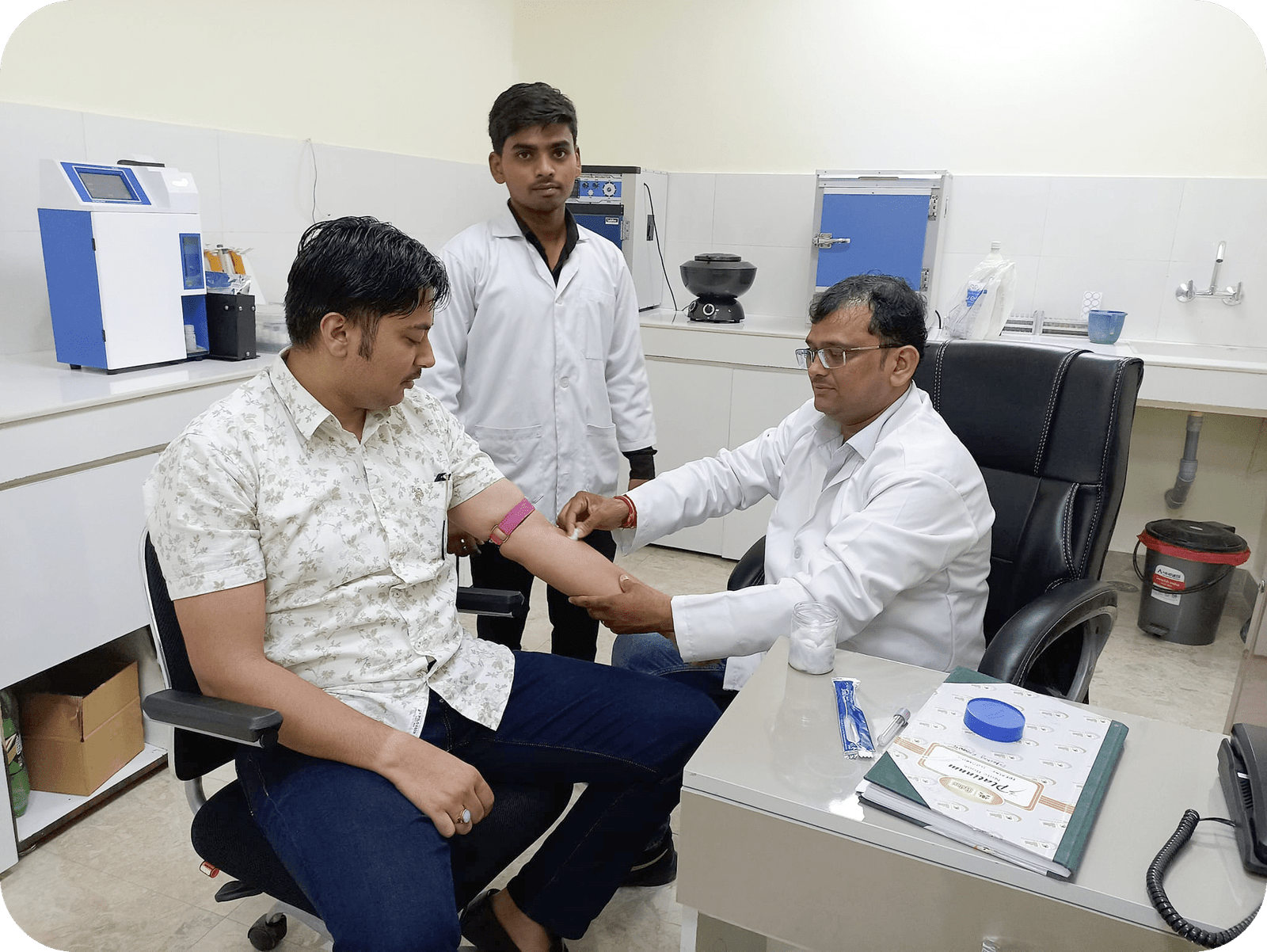
Blood tests

Blood tests may be advised to assess inflammation levels and identify underlying risk factors contributing to Avascular Necrosis (AVN). Tests such as ESR and CRP help detect active inflammation, while metabolic markers like blood sugar, lipid profile, vitamin D, calcium levels, and clotting factors may reveal conditions that impair blood supply to the bone. These tests assist doctors in ruling out systemic causes, assessing bone health, evaluating disease progression risk, and planning appropriate treatment.

Physical & Clinical Examination

A physical examination is essential to assess joint pain, stiffness, restricted movement, and functional limitations associated with AVN. Doctors evaluate pain during walking, standing, or weight-bearing activities, range of joint motion, muscle weakness, limping pattern, and tenderness around the affected joint. Clinical assessment helps determine the severity and stage of avascular necrosis, evaluate joint involvement, and guide the need for further investigations and targeted treatment planning.

Imaging tests

Imaging tests help confirm the extent and stage of Avascular Necrosis (AVN). X-rays are commonly used in later stages to detect bone collapse, joint space narrowing, and structural deformities, while MRI provides early and detailed visualization of reduced blood supply, bone marrow changes, and necrotic areas before visible damage appears on X-rays. Imaging supports accurate staging of AVN and helps plan targeted, stage-specific, and effective treatment strategies.

Early diagnosis of Avascular Necrosis helps slow disease progression, preserve bone structure, reduce joint damage, improve mobility, and support safe long-term joint function and recovery.

Why Us

Our Care, Your Health

5 2

Personalized Root-Cause Based Treatment

Unlike conventional treatments that focus only on symptoms, Purevedic Life offers a root-cause approach. Their Ayurveda experts customize treatments based on an individual’s body type (Prakriti), medical history, and lifestyle.

istockphoto 457344351 612x612 1

Pan India Presence More Than 50 Clinic In India

With 80+ clinics across India, they provide easy access to authentic Ayurvedic healthcare. This makes it convenient for patients to consult specialists near them.

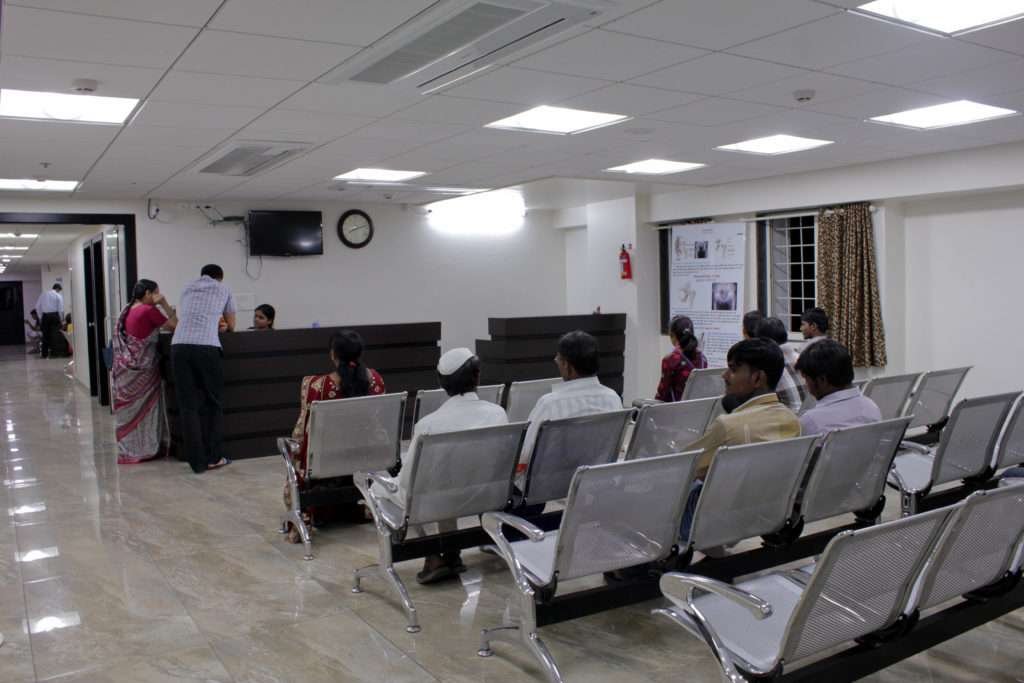
6.OPD Reception 1 1024x683 1

Trusted by millions 600 consultations each day

Purevedic Life has gained trust and credibility, serving 1.5 million+ patients. The large patient base suggests high success rates and satisfaction.

ga4nVEcFKs1mUML3uJWyYsZCeA1EJP metaNDM1LnBuZw

More than 1.5 Million consulted

They handle 800+ consultations per day, showing the scale and efficiency of their operations. Their wide network of doctors and clinics ensures quick and expert healthcare support.

1729776020771

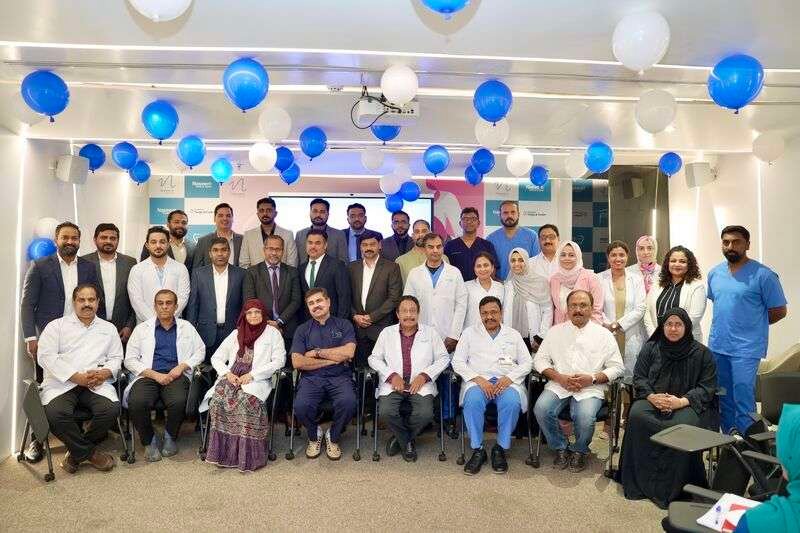
400+ Certified Ayurveda Doctors

They have a team of 400+ certified Ayurvedic doctors. The doctors provide holistic healing with proven natural remedies and Ayurvedic formulations.

makesspeacial img 5

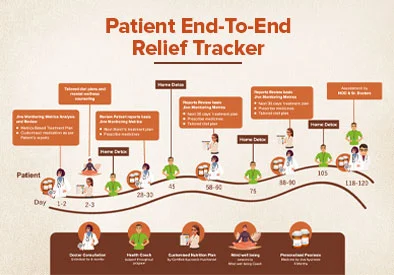
Patient outcomes End-To-End Relief Tracking

They focus on long-term health improvements rather than just short-term relief. Their end-to-end relief tracking ensures that the treatment is working effectively over time.

100% Refund Policy

Your Satisfaction, Guaranteed!

Untitled design 5

Ayurvedic Treatment For AVN (Avascular Necrosis) at Purevedic Life

Ayurveda is an ancient system of medicine that originated in India and focuses on treating diseases by addressing their root causes rather than only managing symptoms. In Avascular Necrosis (AVN), Ayurvedic treatment aims to improve blood circulation to the affected bone, reduce pain and inflammation, slow bone degeneration, and support natural bone and joint healing. This holistic approach works on balancing the body, mind, and doshas to enhance tissue nourishment, reduce Ama (toxins), improve micro-circulation, and strengthen bones, joints, and surrounding muscles, thereby lowering the risk of disease progression, joint collapse, and long-term complications.

Below are some key aspects of Ayurvedic treatment for AVN (Avascular Necrosis), which may include –
5

Herbal Remedies

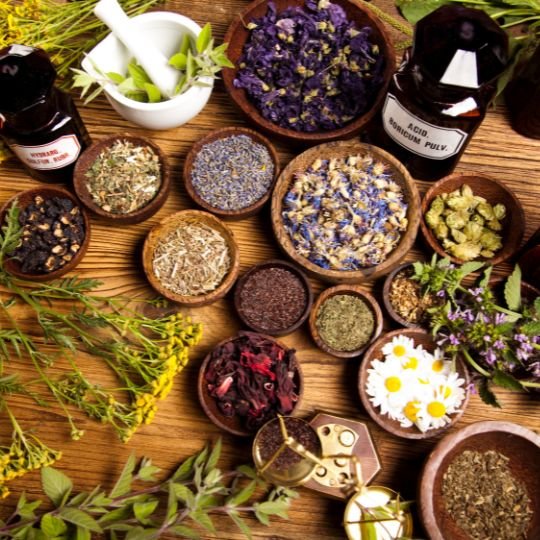
Ayurvedic practitioners use specific herbal formulations to help improve blood circulation to the affected bone, reduce pain and inflammation, and support healing in Avascular Necrosis (AVN). These herbs aim to pacify aggravated Vata dosha, enhance micro-circulation, nourish bone and connective tissues, and reduce Ama (toxins). Herbal support helps slow bone degeneration, strengthen joints, and promote natural bone regeneration when taken under professional Ayurvedic guidance.

6

Dietary Guidelines

Ayurveda emphasizes a personalized Vata-balancing and bone-nourishing diet for managing Avascular Necrosis. Warm, light, nutrient-dense, and easily digestible foods are preferred to support tissue nourishment and improve circulation to bones and joints, while cold, dry, heavy, and processed foods are discouraged as they may aggravate Vata, impair blood supply, and delay bone healing.

7

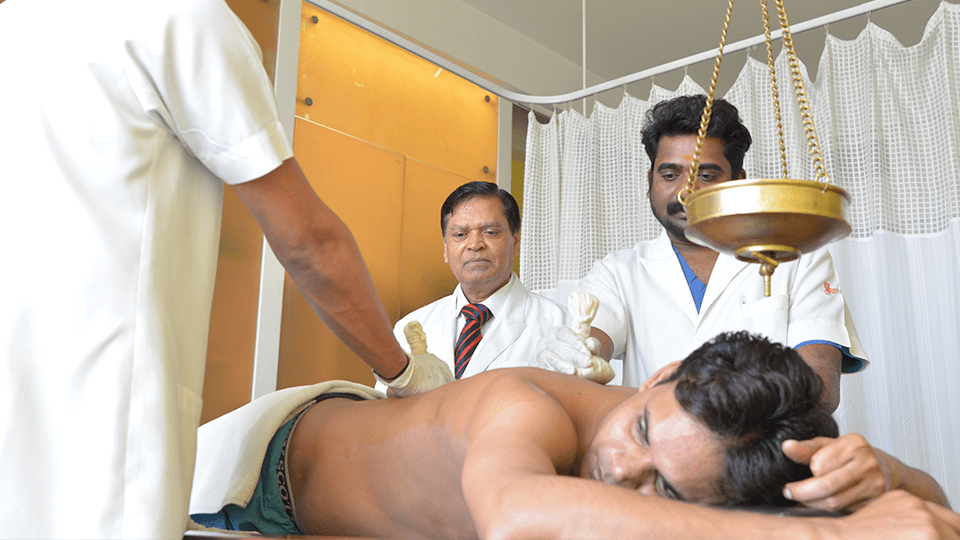
Panchakarma Therapy

Panchakarma therapies help detoxify the body and balance doshas in Avascular Necrosis. Treatments such as Abhyanga (medicated oil massage), Swedana (therapeutic sweating), Basti (medicated enema), and localized therapies may be recommended to improve circulation, reduce pain and stiffness, nourish bone tissues, and support gradual healing of affected joints under expert supervision.
8

Yoga and Meditation

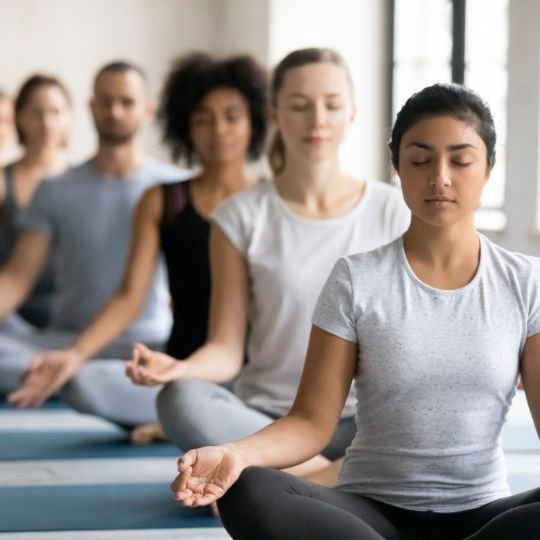
Yoga and meditation support tendon flexibility, muscle relaxation, and stress reduction in Achilles Tendon Disorders. Gentle yoga practices, controlled stretching, and breathing exercises help improve blood circulation to the Achilles tendon, reduce stiffness in the calf muscles, and support gradual healing. Pranayama and meditation calm the nervous system, which aids pain management and promotes faster tissue recovery.

9

Lifestyle Changes

Ayurveda encourages lifestyle modifications to support tendon healing and prevent recurrence in Achilles Tendon Disorders. Avoiding prolonged standing, overuse, or sudden strain, maintaining proper posture, wearing supportive footwear, adequate rest, hydration, and stress management help reduce tendon inflammation and improve mobility. A disciplined daily routine supports long-term tendon strength and functional recovery.
10

Ayurvedic Medications

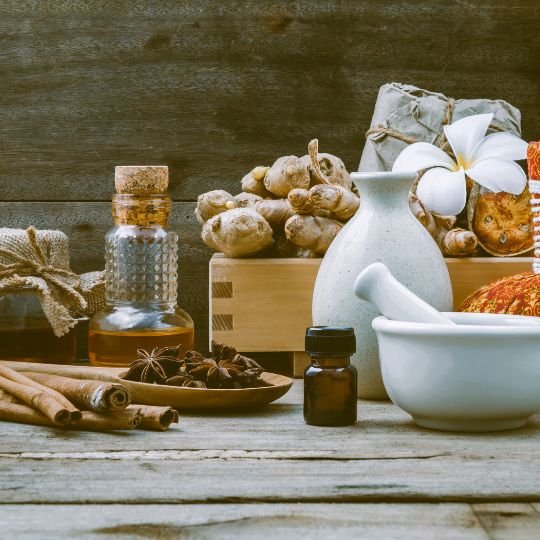
Ayurvedic medications are prescribed based on an individual’s Prakriti and Vikriti. In Achilles Tendon Disorders, medicines focus on reducing inflammation, relieving pain, nourishing connective tissues, and strengthening the tendon. These formulations help balance aggravated Vata dosha, improve circulation, and support natural tendon repair, and should always be taken under expert Ayurvedic supervision for safe and effective recovery.


Get FREE Consultation

GET IN TOUCH TO GET STARTED FASTER

Give us a ring

+91 88103 74294

Our Media Partners

Get FREE Consultation

We are ready to help you. Fill out the form below to get started.

Alternatively you can contact us at: info@purevediclife.com
* We don’t share your information with third party.