






Ayurvedic Asthma Treatment: Natural Healing for Better Breathing
Breathe Freely with Holistic Ayurvedic Care
- ✅ 100% Natural & Safe
- ✅ Root Cause Healing
- ✅ Expert Ayurvedic Practitioners
- ✅ Personalized Approach
- ✅ Improved Lung Strength
Our Ayurvedic Asthma Treatment focuses on natural healing methods that help manage and reduce asthma symptoms without side effects. We provide personalized treatments based on ancient Ayurvedic principles to balance the body’s doshas and strengthen the respiratory system.
Submit your contact information to get a FREE CALL from our Professionals
Let’s take a step towards alleviating Asthma naturally
Hurry up, we have only limited slots


Why Choose PureVedicLife?

Free Home Delivery – Ayurveda at Your Doorstep
Get Ayurvedic medicines & wellness products delivered for free, right to your doorstep.
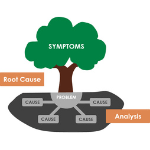
Root Cause Treatment – Heal from Within
Heal from within! Our personalized Ayurveda therapies address the root cause of your health concerns.

Online & In-Clinic Consultation – Health Anytime, Anywhere
Talk to expert Ayurvedic doctors anytime, anywhere—via video call or in-person visits.

Dedicated Follow-Up Support – Your Healing Partner
We monitor your progress and guide you throughout your healing journey.

100% Natural, Herbal & Safe Products
Pure Ayurvedic products made from natural herbs for effective and safe treatment.
100% Refund Policy
Your Satisfaction, Guaranteed!
How Our Consultation Process Works
Step 1: Detailed Health Assessment
A comprehensive consultation covering medical history, symptoms, lifestyle, and previous treatments.
Step 2: Root-Cause Evaluation
Identification of underlying imbalances using Ayurvedic principles and modern health understanding.
Step 3: Personalized Care Plan
Customized Ayurvedic support plan including formulations, diet, and lifestyle recommendations.
Step 4: Follow-Up & Monitoring
Regular follow-ups to assess progress and adjust the plan as needed.
Overview
Asthma symptoms can vary from mild to severe and may change over time. Triggers for asthma symptoms can also differ among individuals and may include allergens like pollen, dust mites, and pet dander, respiratory infections, cold air, exercise, smoke, strong odors, and more. Typically, the diagnosis of asthma involves a combination of reviewing the medical history, conducting a physical examination, and performing lung function tests.
These tests play a crucial role in assessing the severity and type of asthma. Once diagnosed, asthma is manageable with the proper treatment. Common treatments include inhalers, bronchodilators to open the airways, or anti-inflammatory medications to reduce airway inflammation.
What are the symptoms of Asthma?
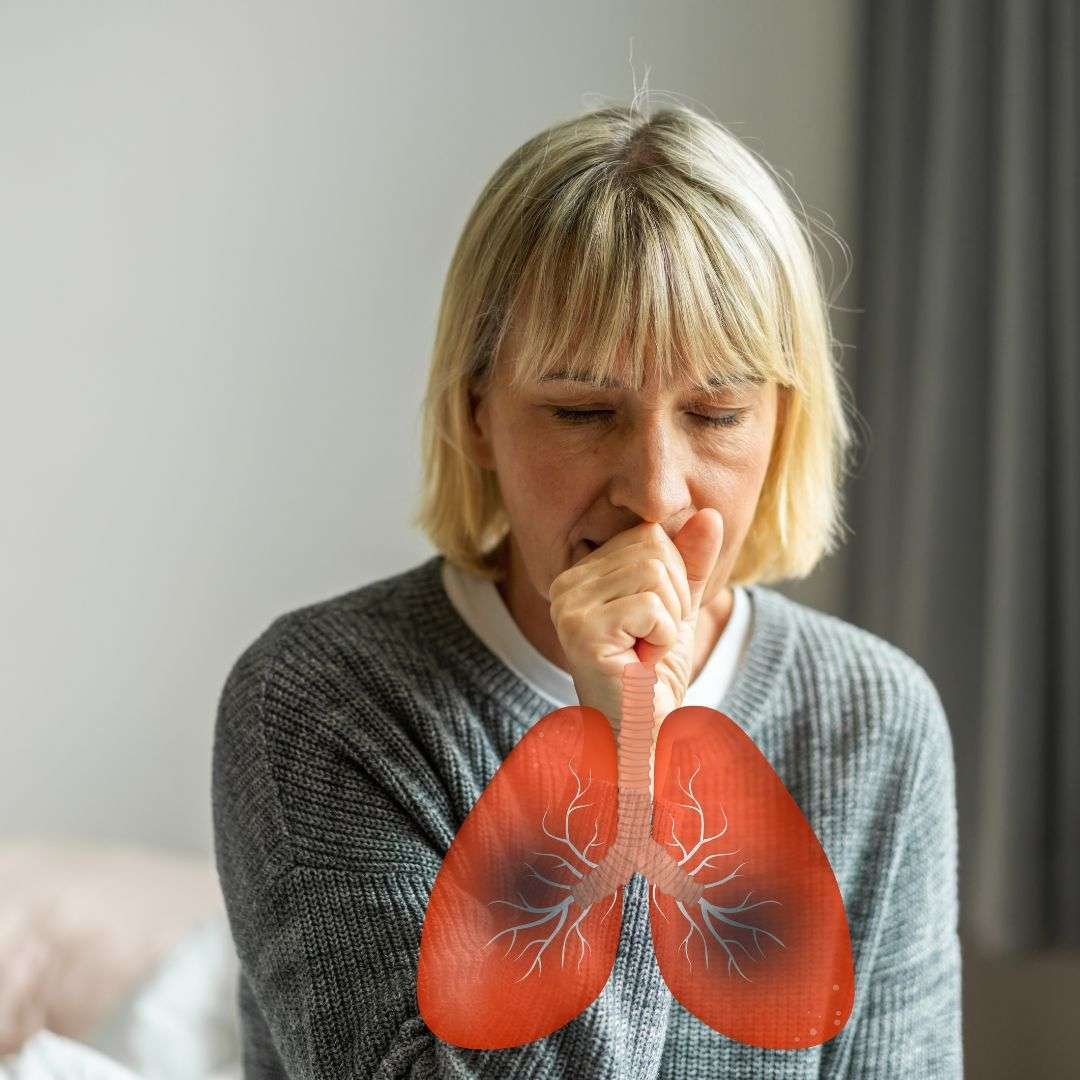
Asthma symptoms differ from one individual to another. Some people may experience occasional asthma episodes, while others might have symptoms exclusively during specific occasions, such as when engaging in physical activity, or endure constant symptoms.
There are a few signs and symptoms that may include:
- Breathlessness
- Constriction or discomfort in the chest
- Wheezing upon exhalation is often observed in children with Asthma
- Sleep disturbances due to breathlessness, coughing, or wheezing
- Coughing or wheezing episodes exacerbated by respiratory infections like colds or the flu.
Types of Asthma
Intermittent
This form of Asthma is characterized by sporadic episodes, allowing you to experience periods of normalcy between asthma flare-ups.
Persistent
Persistent Asthma indicates the presence of symptoms over a substantial duration, with symptom severity ranging from mild to severe.
Allergic
Certain individuals may experience asthma attacks triggered by allergies, with allergens such as molds, pollens, and pet dander being common culprits.
Non-allergic
Asthma can also be exacerbated by external factors unrelated to allergies, such as exercise, stress, illness, and weather conditions.
Adult-onset
This is the type of Asthma which starts at the age of 18.
Pediatri
This type of Asthma frequently occurs before the age of 5 and can manifest in infants and toddlers. Many children may eventually outgrow this condition.
Exercise-induced Asthma
This form of Asthma is prompted by physical activity and is also called exercise-induced bronchospasm.
Occupational Asthma
Occupational Asthma primarily affects individuals working in environments with irritating substances, leading to asthma symptoms.
Asthma-COPD overlap syndrome (ACOS)
ACOS occurs when an individual experiences both asthma and chronic obstructive pulmonary disease (COPD), both of which contribute to breathing difficulties.
Severe Asthma
Severe Asthma is a condition that is challenging to manage and may not respond well to standard asthma treatments. It often requires more intensive therapy and close medical monitoring.
Brittle Asthma
Brittle Asthma is a rare and severe subtype characterized by unpredictable and sudden exacerbations, making it difficult to control. Patients with brittle Asthma are prone to frequent and severe asthma attacks.
Cough variant asthma
Cough-variant Asthma is characterized by a persistent cough as the primary symptom instead of the more common wheezing or shortness of breath. Multiple factors can trigger this ongoing cough.
Aspirin exacerbated respiratory disease
Aspirin exacerbated respiratory disease (AERD) is a condition in which patients with Asthma, nasal polyps, and respiratory symptoms experience severe reactions to aspirin and other nonsteroidal anti-inflammatory drugs (NSAIDs).
Eosinophilic Asthma
Eosinophilic Asthma is characterized by high levels of eosinophils (white blood cells) in the airways. It often leads to increased airway inflammation and can be associated with more severe asthma symptoms.
Ayurvedic Asthma Recovery Estimator
Scientific Dosha Analysis & Treatment Plan
Select Your Preferred Language
अपनी पसंदीदा भाषा चुनें
Almost there! Where should we generate your report?
Enter your details to calculate lung damage risk and generate the treatment plan.
Based on your inputs, your Kapha-Vata imbalance is causing chronic airway inflammation...
🌿 Prescribed Diet Plan (Pathya)
Ayurveda states that digestion (Agni) is the root of asthma.
| Time | Recommendation | Ayurvedic Logic |
|---|
Strictly Avoid (Apathya)
🧘♂️ Respiratory Exercise Plan (Vihara)
💊 Recommended Medicine Routine
| Timing | Medicine / Herb | Dosage & Medium |
|---|
Stop Airway Damage Now!
Talk to our Ayurvedic Pulmonology Experts immediately.
*Disclaimer: This report is generated based on your inputs for general guidance. Severe asthmatic attacks require immediate physical medical attention. Do not stop emergency inhalers without consulting your doctor.
Why Us
Our Care, Your Health
Personalized Root-Cause Based Treatment
Unlike conventional treatments that focus only on symptoms, Purevedic Life offers a root-cause approach. Their Ayurveda experts customize treatments based on an individual’s body type (Prakriti), medical history, and lifestyle.
Pan India Presence More Than 50 Clinic In India
With 80+ clinics across India, they provide easy access to authentic Ayurvedic healthcare. This makes it convenient for patients to consult specialists near them.
Trusted by millions 600 consultations each day
Purevedic Life has gained trust and credibility, serving 1.5 million+ patients. The large patient base suggests high success rates and satisfaction.
More than 1.5 Million consulted
They handle 800+ consultations per day, showing the scale and efficiency of their operations. Their wide network of doctors and clinics ensures quick and expert healthcare support.
400+ Certified Ayurveda Doctors
They have a team of 400+ certified Ayurvedic doctors. The doctors provide holistic healing with proven natural remedies and Ayurvedic formulations.
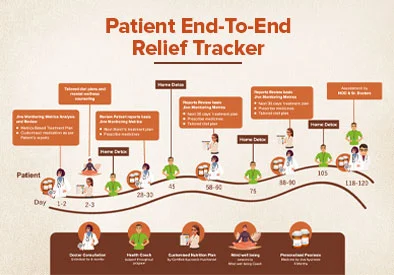
Patient outcomes End-To-End Relief Tracking
They focus on long-term health improvements rather than just short-term relief. Their end-to-end relief tracking ensures that the treatment is working effectively over time.
What cause Asthma?

Allergies
Having allergies raises the risk of developing Asthma.

Genetics
Asthma can happen if someone has a history of Asthma in the family and has a higher risk of developing the disease.

Environmentally
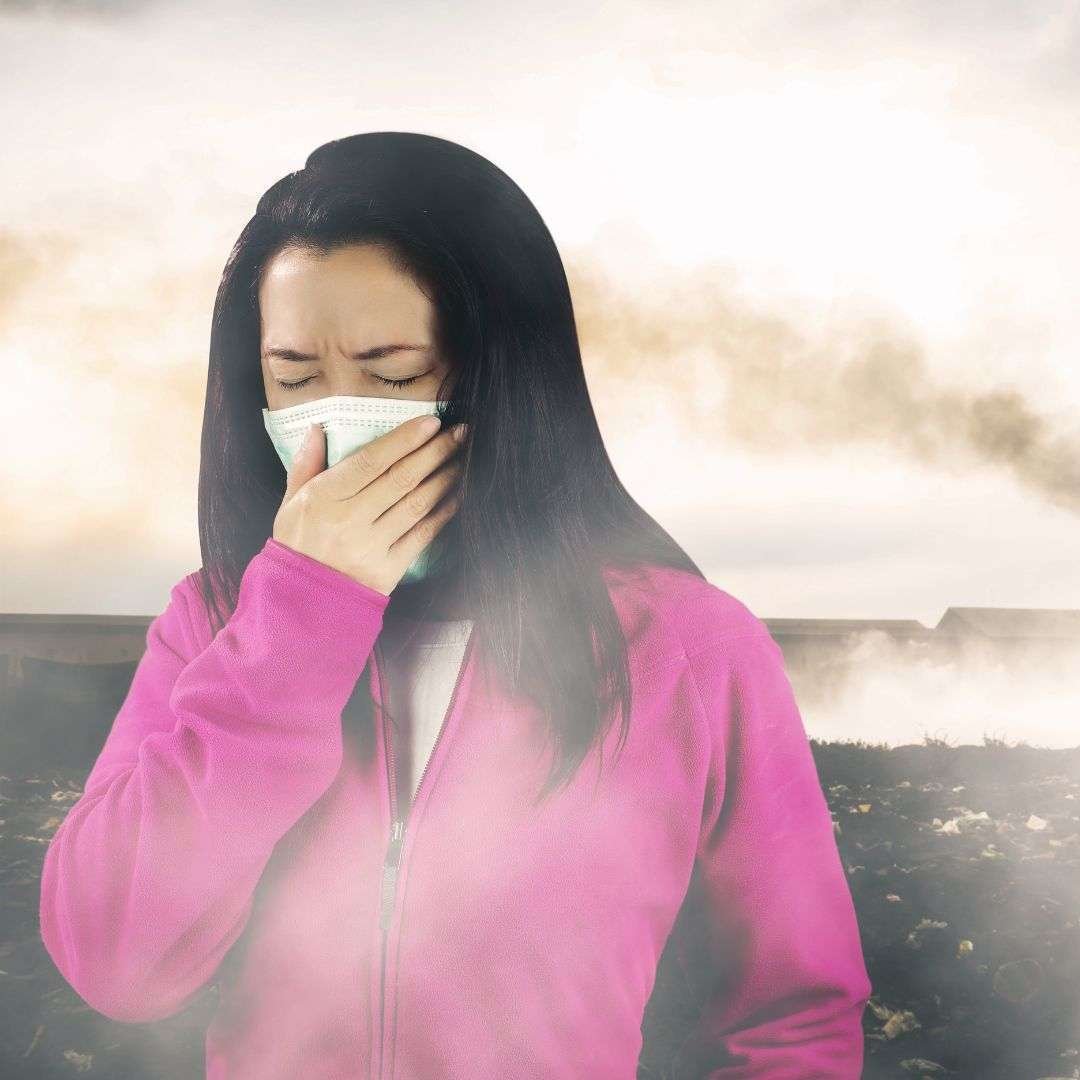
Exposure to various irritants, such as allergens, toxins, fumes, and second- or third-hand smoke, can lead to the development of Asthma in individuals.

Respiratory infections
Certain infections, such as respiratory syncytial virus, can damage the developing lungs in children.
What are asthma triggers?
Foster Your Respiratory Well-Being
Allergens
- Pollen from trees, grasses, and weeds
- Dust mites
- Pet dander (from cats, dogs, or other animals)
- Mold spores
- Cockroach droppings
Respiratory Infections
- Respiratory infections, such as the common cold or flu, can worsen asthma symptoms.
Irritants
- Tobacco smoke
- Strong odors or fumes from chemicals, perfumes, or cleaning products
- Air pollution
- Wood smoke
- Strong emotions or stress
Weather Conditions
- Cold air
- Hot, humid weather
- Changes in temperature or weather patterns
- Thunderstorms (associated with increased pollen levels)
Gastroesophageal Reflux Disease (GERD)
- Stomach acid flowing into the esophagus and potentially into the airways can trigger asthma symptoms.
Medications
- Nonsteroidal anti-inflammatory drugs (NSAIDs), such as aspirin and ibuprofen, can worsen symptoms in some individuals with Asthma.
- Beta-blockers, a type of medication used for conditions like high blood pressure and heart problems, can also trigger asthma symptoms.
Exercise
- Exercise-induced Asthma occurs during physical activity or sports.
Occupational Exposures
- Working in specific industries may be exposed to irritants or allergens that exacerbate Asthma. This is known as occupational Asthma.
Food Allergies
- Some individuals with Asthma may have food allergies that trigger symptoms, though this is less common.
How to prevent yourself from Asthma
Preventing Asthma requires making lifestyle choices and environmental adjustments to lower the risk of developing the condition or to mitigate its impact on those who are already diagnosed. Avoiding smoking and secondhand smoke exposure, reducing allergen exposure, promoting breastfeeding, ensuring immunizations are up-to-date, maintaining a healthy lifestyle, and managing conditions like gastroesophageal reflux disease (GERD) are vital preventive strategies.
Creating a clean indoor air environment, allergen-proof bedding, and taking precautions against occupational Asthma can also help. Regular check-ups and medication compliance for those with Asthma, along with stress management, are essential components of prevention. While it may not be possible to prevent Asthma in all cases, these measures can significantly reduce the risk and enhance the management of the condition for those affected. Seeking guidance from a healthcare provider is essential for customizing preventive strategies to suit individual requirements.