














AYURVEDIC TREATMENT FOR BRONCHITIS
Root Cause Based Ayurvedic Approach to Bronchitis Management
- Safe & Natural Ayurvedic Care for Respiratory Health
- Helps Reduce Cough, Chest Congestion & Breathing Difficulty
- Supports Lung Strength & Clears Excess Mucus
- Improves Immunity & Reduces Infection Risk
- 100% Natural & Chemical-Free Ayurvedic Treatment
- Experienced Ayurvedic Doctors for Bronchitis Care
Bronchitis is a respiratory condition in which the bronchial tubes (air passages in the lungs) become inflamed, leading to excessive mucus production and breathing discomfort. It commonly causes symptoms such as persistent cough, chest congestion, mucus (phlegm) production, wheezing, fatigue, and shortness of breath.
Submit your contact information to get a FREE CALL from our Professionals
Let’s take a step towards alleviating varicocele naturally
Hurry up, we have only limited slots


What is Bronchitis?
Bronchitis is a respiratory condition in which the bronchial tubes (air passages that carry air to the lungs) become inflamed and irritated, making it difficult for air to move freely through the lungs. This inflammation often leads to excess mucus production, causing breathing discomfort and persistent cough.
People with bronchitis commonly experience symptoms such as continuous coughing (often with mucus or phlegm), chest congestion, wheezing, shortness of breath, fatigue, and chest tightness, especially during physical activity, cold weather, or respiratory infections.
Bronchitis may develop due to viral or bacterial infections, air pollution, smoking or passive smoke exposure, dust, allergens, or weak immunity. These factors irritate the bronchial tubes, leading to inflammation and mucus buildup that block normal airflow and make breathing uncomfortable.
Bronchitis can be effectively managed when diagnosed early and treated properly. Ayurvedic treatment focuses on clearing excess mucus, reducing airway inflammation, strengthening the lungs, improving immunity, and balancing aggravated Kapha and Vata doshas that affect the respiratory system.
Through a holistic approach including herbal medicines, Panchakarma therapies, dietary regulation, breathing exercises, and lifestyle correction, Ayurveda helps reduce cough and congestion, improve lung function, and support long-term respiratory health naturally.
Symptoms Of Childhood Asthma
Signs a child with asthma may experience include –
- Frequent Coughing – Persistent coughing, especially at night, early morning, or during physical activity. It may worsen during cold weather or respiratory infections.
- Wheezing While Breathing – A whistling or squeaky sound when the child breathes, caused by narrowed airways.
- Shortness of Breath – The child may feel difficulty breathing, rapid breathing, or struggle to catch their breath during play or exercise.
- Chest Tightness or Discomfort – Children may complain of pressure or tightness in the chest due to airway inflammation.
- Fatigue During Activities – Reduced stamina or quick tiredness during running, playing, or other physical activities because of limited airflow.
- Difficulty Sleeping – Asthma symptoms like coughing or breathing problems may worsen at night, disturbing the child’s sleep.
- Frequent Respiratory Infections – Children with asthma may experience repeated colds, cough, or chest infections that take longer to recover.
Causes Of Childhood Asthma
Ayurveda follows a holistic and root-cause-based approach to understand Childhood Asthma by focusing on weakened immunity, respiratory sensitivity, and imbalance in the body’s doshas. In Ayurvedic understanding, childhood asthma is often associated with aggravated Kapha and Vata doshas, along with the accumulation of Ama (toxins) that block the respiratory channels and affect normal breathing.
From an Ayurvedic perspective, the buildup of Ama in the Pranavaha Srotas (respiratory channels) leads to excess mucus formation, airway inflammation, and restricted airflow in the lungs. This results in symptoms such as wheezing, coughing, chest tightness, and breathing difficulty. Aggravated Kapha dosha increases mucus production, while Vata imbalance causes airway constriction and breathing irregularities.
Ayurvedic management focuses on balancing doshas, clearing toxins, strengthening lung function, and improving immunity to help the child breathe comfortably and reduce the frequency of asthma attacks naturally.
Some other causes or triggers of Childhood Asthma are –
Allergies & Environmental Triggers
Exposure to dust, pollen, pollution, smoke, pet dander, mold, or strong odors can irritate a child’s airways and trigger asthma symptoms. Environmental allergens are one of the most common causes of asthma attacks in children.
Respiratory Infections
Frequent viral infections such as cold, flu, bronchitis, or throat infections can inflame the airways and worsen asthma symptoms, leading to coughing, wheezing, and breathing difficulty.
Cold Weather & Climate Changes
Sudden temperature changes, cold air, or humid environments may trigger airway irritation and breathing problems in children with asthma.
Weak Immunity & Genetic Factors
Children with weak immunity or a family history of asthma, allergies, or respiratory diseases have a higher risk of developing childhood asthma.
Physical Activity (Exercise-Induced Asthma)
Intense physical activity such as running or playing sports may sometimes trigger breathing difficulty, coughing, or wheezing in children with sensitive airways.
Poor Diet & Mucus-Forming Foods
Frequent consumption of cold foods, junk food, dairy excess, or processed foods may increase mucus formation and aggravate Kapha imbalance, which can worsen asthma symptoms.
Childhood Asthma can develop due to airway inflammation, allergic reactions, environmental triggers, or weak immunity. In this condition, a child’s airways become sensitive and swollen, making it difficult for air to flow in and out of the lungs. Asthma symptoms may appear gradually and can worsen with exposure to dust, cold air, pollution, infections, or physical activity. If not managed properly, repeated asthma attacks may affect the child’s breathing comfort, sleep quality, and daily activities. With proper care and Ayurvedic management, it is possible to strengthen the lungs, improve immunity, reduce inflammation, and help manage asthma symptoms naturally.
If talking about Childhood Asthma, the symptoms may include –
- Frequent coughing, especially at night or early morning
- Wheezing sound while breathing due to narrowed airways
- Shortness of breath or difficulty breathing during play or activity
- Chest tightness or discomfort during breathing
- Fatigue or low stamina during physical activities
- Difficulty sleeping due to coughing or breathing problems
- Repeated respiratory infections such as cold or chest congestion
How Our Consultation Process Works
Step 1: Detailed Health Assessment
A comprehensive consultation covering medical history, symptoms, lifestyle, and previous treatments.
Step 2: Root-Cause Evaluation
Identification of underlying imbalances using Ayurvedic principles and modern health understanding.
Step 3: Personalized Care Plan
Customized Ayurvedic support plan including formulations, diet, and lifestyle recommendations.
Step 4: Follow-Up & Monitoring
Regular follow-ups to assess progress and adjust the plan as needed.
Diagnosis Of Childhood Asthma
Proper diagnosis is an important step in planning effective treatment for Childhood Asthma. Since symptoms such as coughing, wheezing, and breathing difficulty may sometimes be confused with common respiratory infections or allergies, a detailed clinical evaluation is necessary. Doctors usually assess the child’s breathing pattern, frequency of coughing or wheezing, chest tightness, and difficulty during physical activities or at night, along with the child’s medical history and possible allergy triggers.
To confirm the diagnosis and understand the severity of asthma, doctors may recommend certain evaluations such as physical examination, lung function tests, allergy testing, and respiratory assessments. These tests help identify airway inflammation, breathing capacity, and possible environmental or allergic triggers affecting the child’s respiratory health.
Early diagnosis helps in timely management, prevention of frequent asthma attacks, and improvement of lung function. Along with proper medical evaluation, Ayurvedic management focuses on strengthening the respiratory system, improving immunity, reducing airway inflammation, and supporting long-term respiratory health naturally.
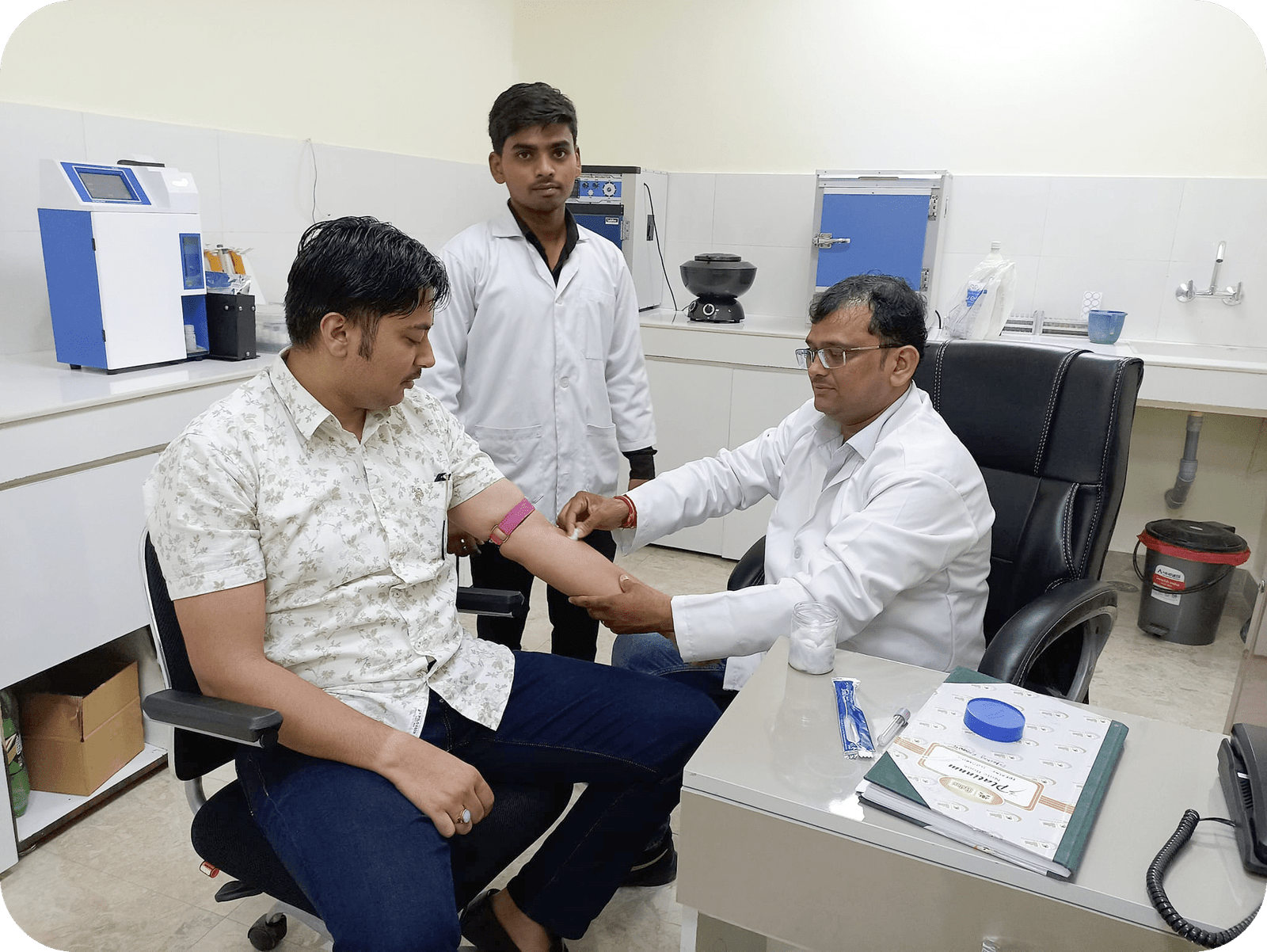
Blood tests
Blood tests may be recommended to evaluate allergic reactions, infections, and inflammation levels associated with Childhood Asthma. Tests may help identify immune responses, respiratory infections, or allergy-related triggers that contribute to breathing difficulties. These tests assist doctors in understanding underlying causes and planning appropriate treatment.
Physical & Clinical Examination
A physical examination is important to assess breathing patterns, wheezing sounds, coughing frequency, and chest tightness in children. Doctors listen to lung sounds using a stethoscope and review the child’s medical history, family history of asthma, and possible environmental triggers. Clinical evaluation helps determine the severity of asthma and guides further treatment planning.
Respiratory & Lung Function Tests
Respiratory tests help measure how well a child’s lungs are functioning. Doctors may recommend lung function tests, peak flow measurement, or spirometry (for older children) to evaluate airflow obstruction and airway sensitivity. Allergy tests may also be suggested to identify triggers such as dust, pollen, smoke, or certain foods. Early diagnosis of Childhood Asthma helps control symptoms, reduce asthma attacks, strengthen lung function, and support healthier breathing and better quality of life for children.
Early diagnosis of Childhood Asthma helps control symptoms, reduce the frequency of asthma attacks, improve lung function, strengthen immunity, and support healthier breathing and long-term respiratory health in children.
Why Us
Our Care, Your Health
Personalized Root-Cause Based Treatment
Unlike conventional treatments that focus only on symptoms, Purevedic Life offers a root-cause approach. Their Ayurveda experts customize treatments based on an individual’s body type (Prakriti), medical history, and lifestyle.
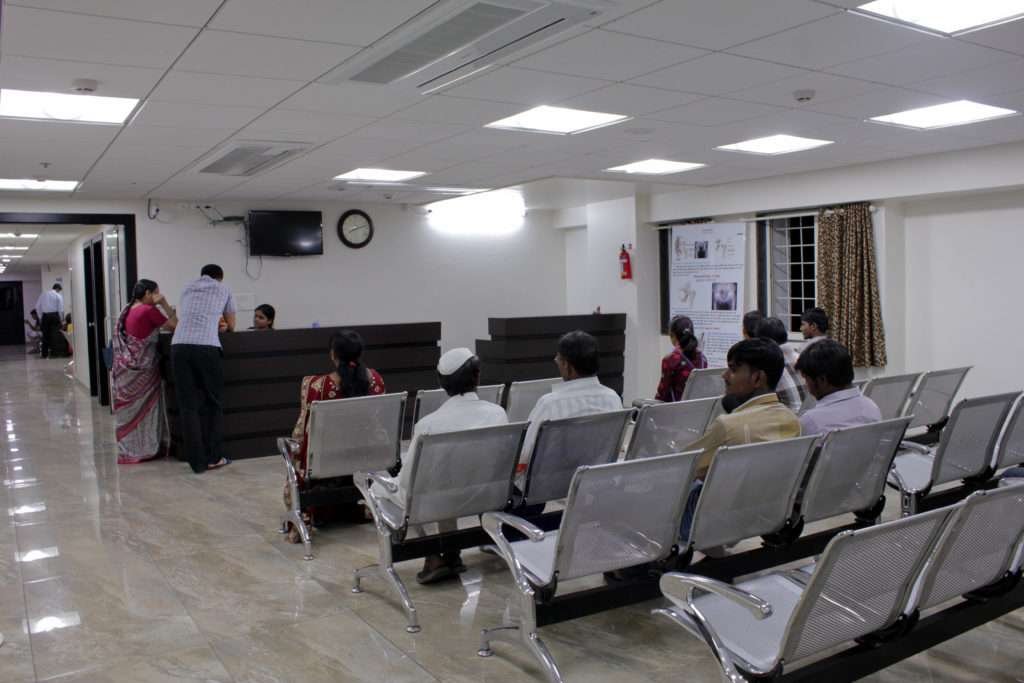
Pan India Presence More Than 50 Clinic In India
With 80+ clinics across India, they provide easy access to authentic Ayurvedic healthcare. This makes it convenient for patients to consult specialists near them.
Trusted by millions 600 consultations each day
Purevedic Life has gained trust and credibility, serving 1.5 million+ patients. The large patient base suggests high success rates and satisfaction.
More than 1.5 Million consulted
They handle 800+ consultations per day, showing the scale and efficiency of their operations. Their wide network of doctors and clinics ensures quick and expert healthcare support.
400+ Certified Ayurveda Doctors
They have a team of 400+ certified Ayurvedic doctors. The doctors provide holistic healing with proven natural remedies and Ayurvedic formulations.
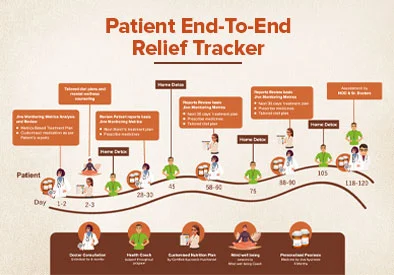
Patient outcomes End-To-End Relief Tracking
They focus on long-term health improvements rather than just short-term relief. Their end-to-end relief tracking ensures that the treatment is working effectively over time.
100% Refund Policy
Your Satisfaction, Guaranteed!
Ayurvedic Treatment For Childhood Asthma at Purevedic Life
Ayurveda is an ancient system of medicine that focuses on treating diseases by addressing their root causes rather than only managing symptoms. In Childhood Asthma, Ayurvedic treatment aims to reduce airway inflammation, control excess mucus formation, strengthen the lungs, and improve immunity. This holistic approach works on balancing the body’s Vata and Kapha doshas, clearing respiratory channels, and supporting healthy lung function. Through natural herbs, diet regulation, and lifestyle correction, Ayurveda helps children breathe better and reduces the frequency of asthma attacks.
Below are some key aspects of Ayurvedic treatment for Childhood Asthma, which may include –

Herbal Remedies
Ayurvedic practitioners use carefully selected herbal formulations to help reduce inflammation in the airways, control mucus production, and improve respiratory strength. These natural herbs support lung health, improve immunity, and help manage asthma symptoms safely when taken under proper Ayurvedic guidance.

Dietary Guidelines
Ayurveda recommends a balanced and lung-friendly diet for children with asthma. Warm, light, and easily digestible foods are encouraged to support respiratory health and immunity. Cold foods, excessive dairy, processed foods, and heavy or mucus-forming foods are usually limited, as they may aggravate Kapha dosha and worsen breathing problems.

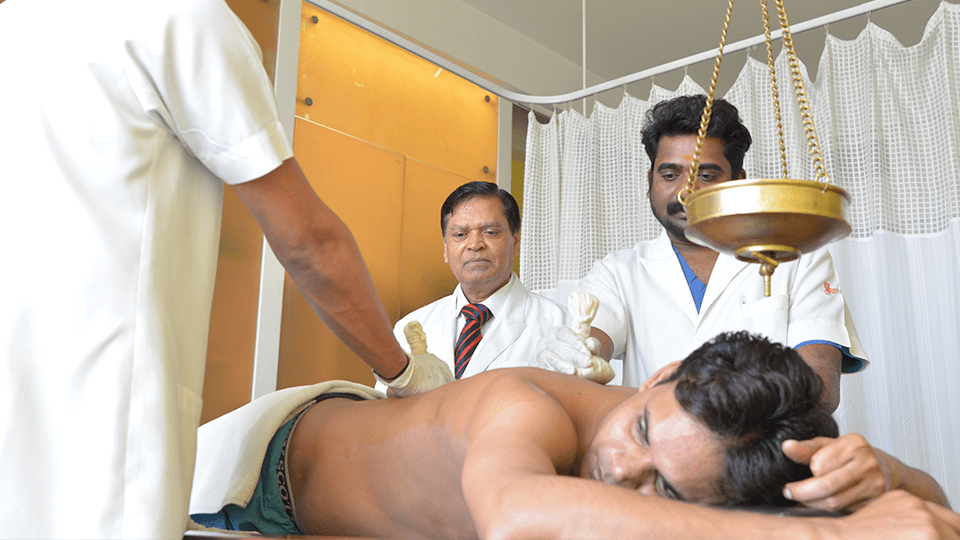
Panchakarma Therapy
Panchakarma therapies help detoxify the body and balance doshas in Childhood Asthma. Treatments such as Abhyanga (medicated oil massage), Swedana (therapeutic sweating), Nasya (nasal therapy), and other supportive therapies may be recommended to clear respiratory channels, reduce mucus accumulation, improve breathing, and strengthen the lungs under expert Ayurvedic supervision.

Yoga and Meditation
Yoga and breathing exercises help improve lung capacity, respiratory strength, and oxygen flow in children with asthma. Gentle yoga practices, stretching, and Pranayama (breathing exercises) support better breathing control, reduce airway sensitivity, and promote relaxation. Regular practice also helps reduce stress and supports overall respiratory health.

Lifestyle Changes
Ayurveda encourages healthy lifestyle habits to help manage Childhood Asthma effectively. Avoiding exposure to dust, smoke, pollution, and cold air, maintaining proper sleep, staying physically active, and following a balanced daily routine can help reduce asthma triggers and support lung health.

Ayurvedic Medications
Ayurvedic medicines are prescribed based on the child’s Prakriti (body constitution) and severity of symptoms. These herbal formulations focus on reducing airway inflammation, controlling excess mucus, strengthening lung tissues, and improving immunity. When taken under expert Ayurvedic guidance, these medicines help manage asthma symptoms and support long-term respiratory wellness naturally.