
AYURVEDIC TREATMENT FOR DEEP VEIN THROMBOSIS (DVT)
Root cause BASED AYURVEDIC APPROACH TO DVT MANAGEMENT
- Safe Long-Term Ayurvedic Management
- Helps Improve Blood Circulation & Prevent Clot Progression
- Reduces Leg Pain, Swelling & Heaviness
- Supports Healthy Blood Flow & Vascular Strength
- 100% Natural & Steroid-Free Ayurvedic Care
- Experienced Ayurvedic Doctors for DVT Management
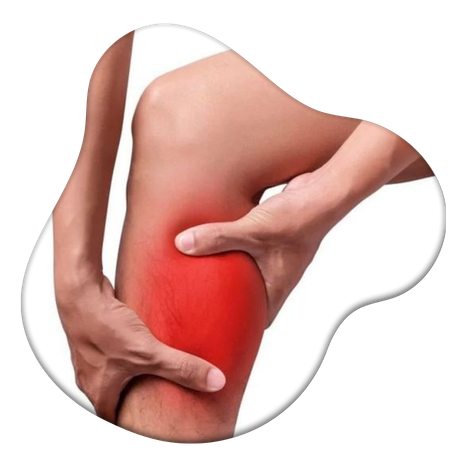
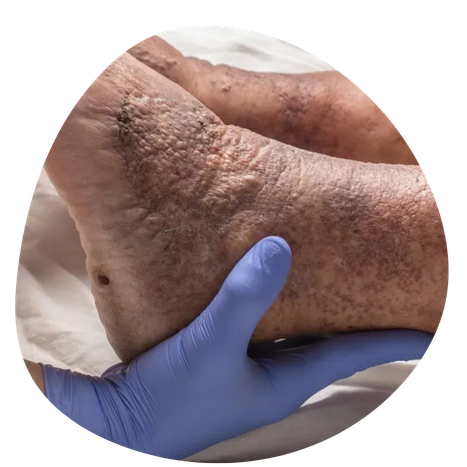
Deep Vein Thrombosis (DVT) is a serious vascular condition characterized by the formation of blood clots in deep veins, most commonly in the legs. It can cause symptoms such as leg pain, swelling, warmth, heaviness, and skin discoloration, and may lead to complications if not managed properly. DVT often develops due to poor blood circulation, prolonged immobility, injury, or underlying health conditions, significantly affecting mobility and overall quality of life over time.
Many patients seek Ayurvedic treatment for Deep Vein Thrombosis when conventional treatments provide only temporary relief or require long-term medication use. Ayurveda, used as a complementary approach under qualified medical supervision, focuses on improving blood circulation, reducing clot-related inflammation, balancing aggravated Vata and Kapha doshas, and strengthening blood vessels naturally. This holistic approach aims to support safe clot management, prevent recurrence, and promote long-term vascular health and recovery naturally.
Submit your contact information to get a FREE CALL from our Professionals
Let’s take a step towards alleviating varicocele naturally
Hurry up, we have only limited slots
Why Choose PureVedicLife?

Free Home Delivery – Ayurveda at Your Doorstep
Get Ayurvedic medicines & wellness products delivered for free, right to your doorstep.
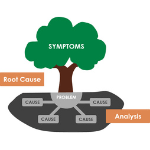
Root Cause Treatment – Heal from Within
Heal from within! Our personalized Ayurveda therapies address the root cause of your health concerns.

Online & In-Clinic Consultation – Health Anytime, Anywhere
Talk to expert Ayurvedic doctors anytime, anywhere—via video call or in-person visits.

Dedicated Follow-Up Support – Your Healing Partner
We monitor your progress and guide you throughout your healing journey.

100% Natural, Herbal & Safe Products
Pure Ayurvedic products made from natural herbs for effective and safe treatment.
100% Refund Policy
Your Satisfaction, Guaranteed!
What is Deep Vein Thrombosis (DVT)?
Deep Vein Thrombosis (DVT) is a vascular condition in which a blood clot forms in a deep vein, most commonly in the legs. This condition can cause symptoms such as leg pain, swelling, warmth, heaviness, and skin discoloration. DVT develops when blood flow slows or becomes abnormal, leading to clot formation that can restrict circulation and affect overall mobility and vascular health.
Deep Vein Thrombosis usually develops gradually and is often associated with prolonged inactivity, poor circulation, injury, obesity, surgery, or underlying medical conditions. If not managed properly, DVT can lead to serious complications, including clot migration, chronic venous insufficiency, and long-term discomfort, significantly impacting daily activities and quality of life.
Deep Vein Thrombosis is a manageable condition when diagnosed early and treated appropriately. Ayurvedic treatment for Deep Vein Thrombosis focuses on improving blood circulation, reducing inflammation, preventing clot progression, and balancing aggravated Vata and Kapha doshas. Through a holistic approach involving herbal therapies, dietary regulation, lifestyle correction, and detoxification procedures under expert supervision, Ayurveda aims to support natural clot management and promote long-term vascular health safely.
Symptoms Of Deep Vein Thrombosis (DVT)
Signs a Deep Vein Thrombosis patient may experience are –
- Leg Swelling – Sudden or gradual swelling in one leg (rarely both), usually in the calf or thigh, due to blocked blood flow caused by a clot.
- Leg Pain or Tenderness – Persistent pain, cramping, or soreness in the affected leg, often starting in the calf and worsening while standing or walking.
- Warmth in the Affected Area – The skin over the affected vein may feel warmer than surrounding areas due to inflammation and impaired circulation.
- Skin Discoloration – Redness, bluish, or darkened skin over the affected leg, indicating poor venous blood flow.
- Heaviness or Tightness in the Leg – A feeling of heaviness, tightness, or pressure in the leg that may worsen after prolonged sitting or inactivity.
- Pain During Movement – Discomfort or pain while walking, bending the leg, or standing for long periods.
- Fatigue and Reduced Mobility – Ongoing discomfort and swelling can lead to difficulty in daily activities and reduced physical endurance.
Causes Of Deep Vein Thrombosis (DVT)
Ayurveda offers a holistic and root-cause-based approach to understanding Deep Vein Thrombosis (DVT) by focusing on impaired blood circulation, toxin accumulation, and imbalance of bodily doshas. In Ayurveda, DVT is commonly associated with aggravated Vata and Kapha dosha along with Rakta dushti (blood impurity), which together lead to sluggish blood flow, clot formation, and vascular blockage.
From an Ayurvedic perspective, the accumulation of Ama (toxins) in the blood channels (Srotas) thickens blood consistency and obstructs normal circulation, increasing the risk of clot formation. When Vata becomes aggravated, it disturbs normal blood movement, while Kapha contributes to heaviness, stagnation, and clot stability.
Several modern lifestyle and medical factors also contribute to the development of DVT, including:
- Prolonged Inactivity or Immobility – Long periods of sitting or bed rest (travel, post-surgery, hospitalization) slow down blood flow in the legs, increasing clot risk.
- Poor Blood Circulation – Weak venous return due to sedentary habits, obesity, or vascular weakness promotes clot formation.3.
- Injury or Trauma to Blood Vessels – Surgery, fractures, or muscle injury can damage veins and trigger clot development.4.
- Thickened Blood & Dehydration – Low fluid intake and metabolic imbalance can increase blood viscosity, making clot formation easier.5.
- Hormonal Imbalance – Pregnancy, oral contraceptives, or hormonal therapies may increase clotting tendency.6.
- Chronic Health Conditions – Conditions such as diabetes, heart disease, varicose veins, and inflammatory disorders increase DVT risk.7.
- Stress and Poor Lifestyle Habits – Chronic stress, irregular sleep, smoking, and unhealthy diet aggravate dosha imbalance and blood stagnation.
Ayurvedic management aims to detoxify the blood, balance doshas, improve circulation, and strengthen blood vessels, rather than only preventing clot progression. Through herbal therapy, Panchakarma detoxification, dietary correction, and lifestyle modification, Ayurveda works toward reducing clot risk and supporting long-term vascular health naturally under expert supervision.
Some other causes of Deep Vein Thrombosis (DVT) are –
Herbal Remedies
Natural Blood Flow & Clot Support
Ayurvedic herbs help improve blood circulation, reduce blood thickness, and support natural clot management by balancing aggravated Vata, Kapha, and Rakta dosha. These remedies assist in reducing inflammation, preventing further clot formation, and strengthening blood vessels under expert supervision.
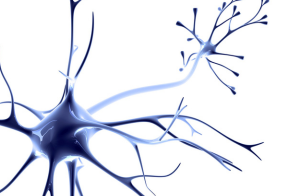
Circulation & Nerve Support Therapy
Improves Venous Flow & Reduces Stagnation
Ayurveda focuses on restoring healthy blood movement and relieving vascular blockage through detoxification and circulation-enhancing therapies. This helps reduce heaviness, pain, swelling, and nerve discomfort in the affected limb while supporting gradual clot resolution naturally.
Chronic Swelling & Vascular Care
Long-Term Vein Health Support
Ayurvedic management helps control chronic leg swelling, pain, and inflammation associated with DVT. Regular therapies, guided movement, dietary correction, and lifestyle changes support vein strength, prevent recurrence, and improve long-term limb mobility and comfort.
Herbal & Rasayana Support
Blood, Vein & Circulation Care
Ayurveda focuses on improving blood flow, reducing clot-related inflammation, and strengthening veins through carefully selected herbal and Rasayana formulations. These therapies help pacify aggravated Vata, Kapha, and Rakta dosha, support healthy circulation, reduce leg pain and swelling, and promote natural recovery of vascular function under expert supervision
Dosha Balance Therapy
Circulation & Clot Stabilization Management
Ayurvedic treatment aims to balance aggravated Vata and Kapha doshas, which are considered key contributors to blood stagnation and clot formation in DVT. By improving circulation, reducing heaviness and blockage, and supporting vessel elasticity, these therapies help ease pain, minimize swelling, and support gradual restoration of limb mobility over time.
Detoxification & Lifestyle Care
Inflammation Reduction & Recurrence Prevention
Through Panchakarma therapies, dietary correction, and lifestyle modifications, Ayurveda helps eliminate Ama (toxins) that contribute to blood thickening and vascular inflammation. This holistic approach supports clot stabilization, reduces inflammation, prevents recurrence, and promotes long-term vein health, circulation balance, and daily limb function naturally.
Deep Vein Thrombosis (DVT) can develop gradually due to impaired blood circulation, inflammation of the veins, and formation of blood clots in deep veins, most commonly in the legs. In the early stages, symptoms may appear slowly and worsen over time, leading to pain, swelling, heaviness, and reduced limb mobility. If not managed properly, DVT can increase the risk of serious complications such as clot migration and long-term vein damage. Consulting a qualified specialist along with supportive Ayurvedic management may help improve circulation, reduce inflammation, support clot stabilization, and promote long-term vascular health naturally.
If talking about Deep Vein Thrombosis (DVT), the symptoms may include –
- Persistent leg pain or tenderness, often starting in the calf
- Swelling in one leg (rarely both), with a feeling of heaviness
- Warmth and redness over the affected area
- Cramping or throbbing pain, especially while standing or walking
- Tightness or discomfort in the calf or thigh
- Fatigue or discomfort in the affected limb during daily activities
- Skin discoloration or visible vein changes
Diagnosis Of Deep Vein Thrombosis (DVT)
Proper diagnosis is a crucial step in planning effective treatment for Deep Vein Thrombosis (DVT). Since symptoms may develop gradually and can resemble muscle strain or leg pain, a detailed clinical evaluation is essential. Doctors assess leg pain, swelling, warmth, skin discoloration, medical history, and risk factors such as prolonged immobility or recent surgery to understand the likelihood and severity of clot formation. To confirm the diagnosis and prevent complications, investigations such as blood tests and imaging studies may be advised to evaluate blood clot presence, vein obstruction, and circulation status.
Blood tests
Blood tests may be advised to assess clotting activity and identify underlying risk factors contributing to Deep Vein Thrombosis (DVT). Tests such as D-dimer help detect active blood clot formation, while coagulation profiles, inflammatory markers, and screening for genetic or metabolic conditions support accurate diagnosis. These tests assist doctors in evaluating clot severity, ruling out related conditions, and planning appropriate treatment.
Physical & Clinical Examination
A physical examination is essential to assess leg swelling, pain, tenderness, warmth, and skin discoloration commonly associated with DVT. Doctors evaluate symptom onset, pain pattern, limb circumference differences, and risk factors such as prolonged immobility or recent surgery. Clinical assessment helps determine the likelihood of DVT and guides the need for further diagnostic testing.
Imaging tests
Imaging tests help confirm the presence and location of blood clots in Deep Vein Thrombosis. Doppler ultrasound is the most commonly used test to evaluate blood flow and detect vein obstruction. In certain cases, advanced imaging such as CT venography or MRI may be recommended to assess clot extent and prevent complications like pulmonary embolism.
Early diagnosis of Deep Vein Thrombosis (DVT) helps prevent clot progression, reduce complications, and support safe long-term blood circulation and recovery.
Ayurvedic Treatment For Deep Vein Thrombosis (DVT) at Purevedic Life
Ayurveda is an ancient system of medicine that originated in India and focuses on treating diseases by addressing their root cause rather than only managing symptoms. In Deep Vein Thrombosis (DVT), Ayurvedic treatment aims to support healthy blood circulation, reduce inflammation, help prevent clot progression, and improve vascular health naturally. This holistic approach works on balancing the body, mind, and doshas to support natural detoxification, strengthen blood vessels, reduce Ama (toxins), and lower the risk of recurrence.
Below are some key aspects of Ayurvedic treatment for Deep Vein Thrombosis (DVT), which may include –

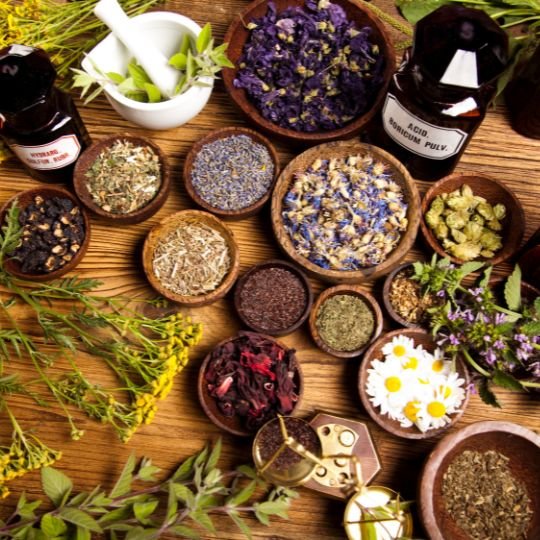
Herbal Remedies
Ayurvedic practitioners use specific herbal formulations to support healthy blood circulation, reduce inflammation, and help prevent clot formation in Deep Vein Thrombosis (DVT). These herbs aim to pacify aggravated Vata and Kapha doshas, improve blood flow, support vessel strength, and reduce Ama (toxins). Herbal support helps promote vascular health and circulation naturally when taken under professional guidance.
Dietary Guidelines
Ayurveda emphasizes a personalized circulation-supportive and anti-inflammatory diet for managing Deep Vein Thrombosis (DVT). Warm, light, and easily digestible foods are preferred to improve digestion and blood flow, while cold, heavy, oily, and processed foods are discouraged as they may worsen stagnation, inflammation, and clotting tendencies.

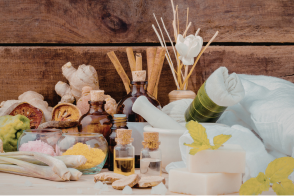
Panchakarma Therapy
Panchakarma therapies help detoxify the body and balance doshas in Deep Vein Thrombosis (DVT). Treatments such as Abhyanga (medicated oil massage), Swedana (therapeutic sweating), and selected detox procedures may be recommended to improve circulation, reduce heaviness in the limbs, support lymphatic drainage, and promote gradual recovery under expert supervision.
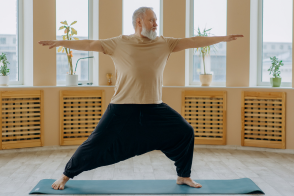
Yoga and Meditation
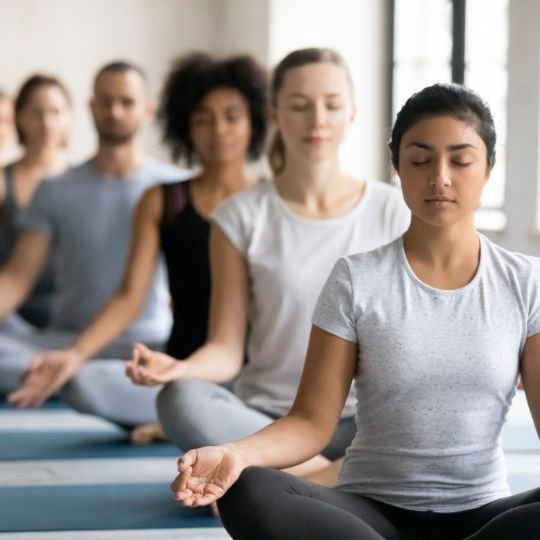
Yoga and meditation support healthy blood circulation, muscle relaxation, and stress reduction in Deep Vein Thrombosis (DVT). Gentle yoga practices, breathing exercises, and guided movements help improve venous return, reduce heaviness in the legs, and prevent blood stagnation. Pranayama and meditation aid in calming the nervous system, which supports vascular health and overall recovery.

Lifestyle Changes
Ayurveda encourages lifestyle modifications to support circulation and prevent complications in Deep Vein Thrombosis (DVT). Avoiding prolonged sitting or immobility, maintaining regular gentle movement, proper hydration, leg elevation, adequate sleep, and stress management help improve blood flow and reduce clot-related risks. A disciplined daily routine supports long-term vascular and circulatory health.
Ayurvedic Medications
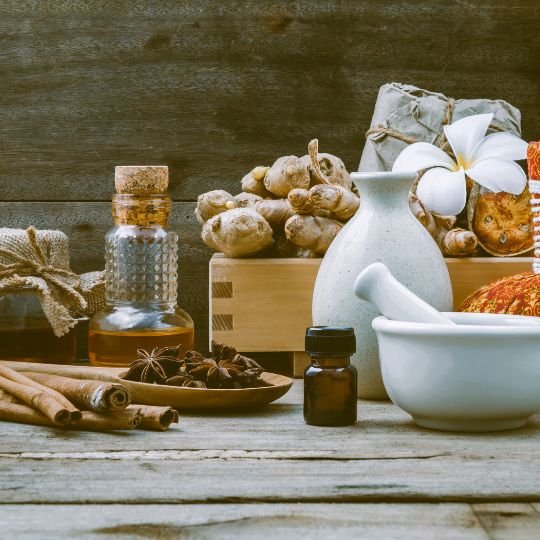
Ayurvedic medications are prescribed based on an individual’s Prakriti and Vikriti. In Deep Vein Thrombosis (DVT), medicines focus on improving blood circulation, reducing inflammation, supporting vessel strength, and preventing toxin accumulation (Ama). These formulations help balance aggravated Vata and Kapha doshas and should always be taken under expert Ayurvedic supervision to ensure safety and effective recovery.