
AYURVEDIC TREATMENT FOR DUST ALLERGY
ROOT CAUSE BASED AYURVEDIC APPROACH TO DUST ALLERGY MANAGEMENT
- Safe Long-Term Ayurvedic Management
- Helps Reduce Sneezing, Nasal Congestion & Irritation
- Improves Respiratory Health & Nasal Comfort
- Supports Immune Balance & Allergy Resistance
- 100% Natural & Steroid-Free Ayurvedic Care
- Experienced Ayurvedic Doctors for Dust Allergy Care
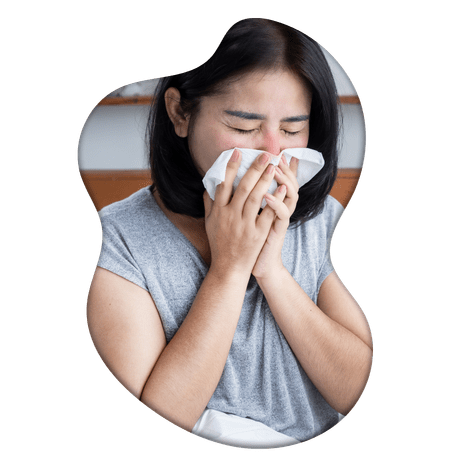
Dust Allergy occurs when the immune system reacts to dust or airborne allergens, causing sneezing, congestion, runny nose, and breathing issues. It often develops due to pollution or weak immunity. Ayurveda helps by reducing inflammation, balancing Kapha and Vata, clearing mucus, strengthening immunity, and supporting long-term relief and respiratory health naturally.
Submit your contact information to get a FREE CALL from our Professionals
Let’s take a step towards alleviating Dust Allergy naturally
Hurry up, we have only limited slots
Why Choose PureVedicLife?

Free Home Delivery – Ayurveda at Your Doorstep
Get Ayurvedic medicines & wellness products delivered for free, right to your doorstep.
Root Cause Treatment – Heal from Within
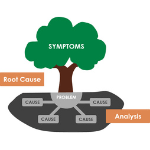
Heal from within! Our personalized Ayurveda therapies address the root cause of your health concerns.

Online & In-Clinic Consultation – Health Anytime, Anywhere
Talk to expert Ayurvedic doctors anytime, anywhere—via video call or in-person visits.

Dedicated Follow-Up Support – Your Healing Partner
We monitor your progress and guide you throughout your healing journey.

100% Natural, Herbal & Safe Products
Pure Ayurvedic products made from natural herbs for effective and safe treatment.
100% Refund Policy
Your Satisfaction, Guaranteed!
What is Dust Allergy Disorder?
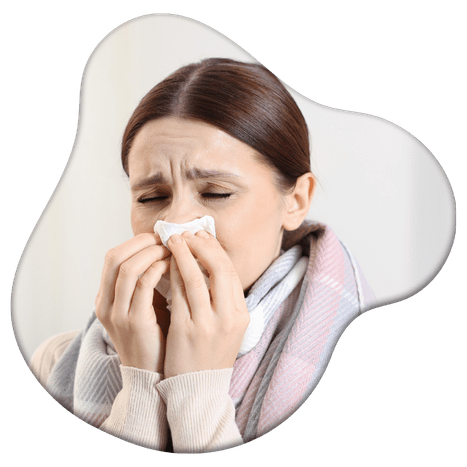
Dust Allergy is an allergic condition in which the immune system reacts to dust particles, dust mites, or other airborne allergens commonly found in indoor environments. This reaction causes inflammation in the nasal passages and respiratory system. Dust allergy commonly leads to symptoms such as frequent sneezing, runny nose, nasal congestion, itchy throat, watery eyes, coughing, and difficulty breathing. The condition often develops due to regular exposure to dust, pollution, poor indoor ventilation, or a sensitive immune response to allergens.
Dust allergy conditions are manageable when diagnosed early and treated appropriately. Ayurvedic treatment for Dust Allergy focuses on reducing nasal inflammation, relieving sneezing and congestion, balancing aggravated Kapha and Vata dosha, and strengthening respiratory immunity. Through a holistic approach involving herbal therapies, Nasya therapy, steam inhalation, Panchakarma procedures, dietary correction, and lifestyle changes, Ayurveda aims to restore natural respiratory balance, reduce allergic sensitivity, prevent recurrence, and support long-term respiratory health naturally.
Symptoms Of Dust Allergy Disorders
Signs a Dust Allergy patient may experience are –
- Frequent Sneezing – Repeated sneezing episodes, especially after exposure to dust or when cleaning dusty areas.
- Runny Nose – Continuous watery nasal discharge caused by irritation of the nasal lining due to allergens.
- Nasal Congestion – Blocked or stuffy nose due to swelling of nasal passages and excess mucus production.
- Itchy Nose or Throat – Persistent itching sensation inside the nose, throat, or sometimes ears due to allergic reaction.
- Watery or Red Eyes – Irritated, watery, or itchy eyes commonly occur along with nasal allergy symptoms.
- Coughing or Throat Irritation – Dust particles can irritate the throat and airways, leading to coughing or discomfort.
- Difficulty Breathing Through the Nose – Nasal blockage may make breathing uncomfortable, especially during sleep.
Causes Of Dust Allergy Disorders
Ayurveda offers a holistic and root-cause-based approach to the management of Dust Allergy Disorders by focusing on reducing allergic inflammation, clearing excess mucus, and strengthening respiratory immunity naturally. In Ayurveda, dust allergy symptoms such as sneezing, nasal congestion, and throat irritation are commonly associated with aggravated Kapha dosha along with Ama (toxin) accumulation, which together lead to blockage of the nasal passages and irritation of the respiratory tract.
From an Ayurvedic perspective, the accumulation of Ama in the Pranavaha Srotas (respiratory channels) obstructs proper airflow and natural respiratory function, resulting in symptoms like frequent sneezing, runny nose, itching, and nasal congestion. Aggravated Kapha increases mucus production and heaviness in the nasal passages, while Vata imbalance may cause irritation, dryness, and repeated sneezing.
Ayurvedic treatment aims to pacify aggravated doshas, remove toxins, strengthen respiratory immunity, and restore normal nasal and respiratory function. By improving the body’s natural defense system and clearing respiratory pathways, Ayurveda supports long-term relief from dust allergy rather than providing only temporary symptom control.
Some other causes of Dust Allergy Disorders are –
Herbal Remedies
Natural Allergy Relief & Respiratory Support
Ayurvedic herbs help reduce allergic inflammation, sneezing, and nasal congestion by balancing aggravated Kapha and Vata dosha and removing Ama (toxins). These natural remedies support healthy nasal passages, reduce mucus accumulation, soothe irritated respiratory tissues, and strengthen immunity, promoting natural relief from dust allergy under expert supervision.
Respiratory Support & Nasal Therapy
Improves Breathing & Nasal Function
Ayurveda focuses on improving respiratory health and clearing blocked nasal passages through therapies such as Nasya therapy, steam inhalation, and herbal detox practices. These treatments help remove accumulated allergens and mucus, reduce nasal swelling, relieve sneezing and irritation, and support proper airflow through the respiratory channels.
Chronic Allergy Care
Long-Term Allergy & Respiratory Health Support
Ayurvedic management helps control chronic dust allergies by reducing recurring inflammation and strengthening the immune system. Regular therapies, dietary correction, herbal support, and lifestyle modifications help maintain clear nasal passages, reduce allergic sensitivity, prevent recurrence, and improve long-term respiratory comfort and wellness.
Herbal & Rasayana Support
Respiratory & Immunity Care
Ayurvedic herbs help strengthen the respiratory system and reduce allergic reactions caused by dust particles. Herbs like Tulsi, Haridra (Turmeric), Pippali, and Yashtimadhu help reduce inflammation, clear nasal passages, and improve immunity.
Rasayana therapies nourish body tissues, balance aggravated doshas, and support long-term protection against recurrent dust allergies.
Dosha Balance Therapy
Balancing Vata & Kapha
Dust allergy is mainly associated with aggravated Vata and Kapha doshas, which can lead to excess mucus, sneezing, nasal irritation, and breathing discomfort.
Ayurvedic therapies focus on restoring balance by improving respiratory function, reducing mucus accumulation, and strengthening the nasal passages. Proper circulation and lubrication of respiratory tissues help reduce dryness, irritation, and frequent allergic episodes.
Detoxification & Lifestyle Care
Reducing Allergic Triggers
Through Panchakarma therapies and natural detoxification methods, Ayurveda helps eliminate accumulated toxins (Ama) that weaken the immune system and trigger allergic reactions.
Lifestyle modifications such as avoiding dust exposure, maintaining nasal hygiene, practicing steam inhalation, and following a balanced diet help reduce allergy symptoms and prevent recurrence.
Dust Allergy occurs when the immune system reacts to dust particles, mites, or pollutants in the environment. This reaction can cause irritation in the nasal passages and respiratory tract. Symptoms may start mildly but can worsen with continuous exposure to dust. Proper management through herbal support, immune strengthening, and lifestyle care can help control symptoms and improve respiratory health naturally.
If talking about Dust Allergy symptoms, they may include –
- Frequent sneezing, especially in dusty environments
- Runny or blocked nose
- Itchy nose, throat, or eyes
- Watery or red eyes
- Coughing or throat irritation
- Breathing discomfort or mild wheezing
- Headache or sinus pressure
Diagnosis Of Dust Allergy
Proper diagnosis is a crucial step in planning effective treatment for Achilles Tendon Disorders. Since symptoms often develop gradually and may resemble general heel pain, muscle strain, or ankle discomfort, a detailed clinical evaluation is essential. Doctors assess pain location, swelling, stiffness, tendon thickening, range of ankle movement, and difficulty during walking or physical activity, along with medical history and risk factors such as overuse, sports activity, improper footwear, or sudden increase in physical load.
To confirm the diagnosis and rule out tendon tears or other foot and ankle conditions, investigations such as physical examination tests and imaging studies may be advised to evaluate tendon inflammation, degeneration, micro-tears, and overall tendon integrity.
Proper Diagnosis
Proper diagnosis is important to identify Dust Allergy (Allergic Rhinitis) and plan the right treatment. Since symptoms like sneezing, runny nose, nasal congestion, and itchy eyes may appear similar to common cold or sinus problems, a detailed clinical evaluation is essential. Doctors usually assess symptoms, environmental exposure to dust, and medical history to understand the severity and triggers of the allergy. To confirm the diagnosis and rule out other respiratory conditions, certain tests and examinations may be recommended. These help identify allergens, measure inflammation, and evaluate the condition of the nasal passages and respiratory tract.
Allergy Tests
Allergy tests help identify whether dust mites, pollen, or other airborne particles are triggering the allergic reaction. Common tests include skin prick tests and specific IgE blood tests, which detect the body's immune response to allergens. These tests help doctors confirm the exact allergen responsible for symptoms and guide proper treatment and prevention strategies.
Blood Tests
Blood tests may be advised to evaluate immune responses and inflammation levels in the body. Tests such as IgE level tests can indicate allergic tendencies, while other markers may help rule out infections or related conditions affecting the respiratory system.
Early diagnosis of Dust Allergy helps reduce allergic reactions, prevent respiratory irritation, improve breathing comfort, and support long-term immune balance and respiratory health.
Ayurvedic Treatment For Dust Allergy at Purevedic Life
Ayurveda is an ancient system of medicine that focuses on treating diseases by addressing their root cause rather than only managing symptoms. In Dust Allergy, Ayurvedic treatment aims to strengthen the respiratory system, reduce allergic reactions, and improve the body’s natural immunity. This holistic approach works on balancing the Vata and Kapha doshas, clearing excess mucus, removing accumulated Ama (toxins), and supporting healthy respiratory function. By improving immunity and reducing sensitivity to allergens, Ayurveda helps lower the risk of recurring allergic episodes and long-term respiratory discomfort.
Below are some key aspects of Ayurvedic treatment for Dust Allergy, which may include –

Herbal Remedies
Ayurvedic practitioners use specific herbal formulations to help reduce tendon inflammation, relieve pain, and support healing in Achilles Tendon Disorders. These herbs aim to pacify aggravated Vata dosha, improve blood circulation around the tendon, nourish connective tissues, and reduce Ama (toxins). Herbal support helps strengthen the Achilles tendon and promotes natural recovery when taken under professional guidance.

Dietary Guidelines
Ayurveda emphasizes a personalized Vata-balancing and anti-inflammatory diet for managing Achilles Tendon Disorders. Warm, light, and easily digestible foods are preferred to support tissue repair and improve circulation, while cold, dry, heavy, and processed foods are discouraged as they may increase stiffness, inflammation, and delayed tendon healing.

Panchakarma Therapy
Panchakarma therapies help detoxify the body and balance doshas in Achilles Tendon Disorders. Treatments such as Abhyanga (medicated oil massage), Swedana (therapeutic sweating), and localized therapies may be recommended to reduce tendon stiffness, improve blood flow, relax tight calf muscles, and support gradual tendon healing under expert supervision.

Yoga and Meditation
Yoga and meditation support tendon flexibility, muscle relaxation, and stress reduction in Achilles Tendon Disorders. Gentle yoga practices, controlled stretching, and breathing exercises help improve blood circulation to the Achilles tendon, reduce stiffness in the calf muscles, and support gradual healing. Pranayama and meditation calm the nervous system, which aids pain management and promotes faster tissue recovery.

Lifestyle Changes
Ayurveda encourages lifestyle modifications to support tendon healing and prevent recurrence in Achilles Tendon Disorders. Avoiding prolonged standing, overuse, or sudden strain, maintaining proper posture, wearing supportive footwear, adequate rest, hydration, and stress management help reduce tendon inflammation and improve mobility. A disciplined daily routine supports long-term tendon strength and functional recovery.

Ayurvedic Medications
Ayurvedic medications are prescribed based on an individual’s Prakriti and Vikriti. In Achilles Tendon Disorders, medicines focus on reducing inflammation, relieving pain, nourishing connective tissues, and strengthening the tendon. These formulations help balance aggravated Vata dosha, improve circulation, and support natural tendon repair, and should always be taken under expert Ayurvedic supervision for safe and effective recovery.