
AYURVEDIC TREATMENT FOR GOUT
Root cause based ayurvedic approach to gout management
- ✅ Helps Reduce Uric Acid Levels Naturally
- ✅ Relieves Severe Joint Pain, Swelling & Inflammation
- ✅ Supports Kidney Function & Uric Acid Elimination
- ✅ Improves Joint Mobility During Acute & Chronic Gout
- ✅ 100% Natural & Steroid-Free Ayurvedic Care
- ✅ Experienced Ayurvedic Doctors for Gout Management
Arthritis is a chronic joint condition that causes persistent pain, stiffness, swelling, and reduced mobility, significantly affecting daily activities and quality of life. Many patients seek Ayurvedic treatment for Arthritis when conventional pain management provides only temporary relief. Ayurveda, used as a complementary approach under qualified medical supervision, focuses on reducing inflammation, relieving joint pain and stiffness, improving flexibility, and supporting long-term joint health through natural therapies.
Submit your contact information to get a FREE CALL from our Professionals
Let’s take a step towards alleviating varicocele naturally
Hurry up, we have only limited slots
Why Choose PureVedicLife?

Free Home Delivery – Ayurveda at Your Doorstep
Get Ayurvedic medicines & wellness products delivered for free, right to your doorstep.
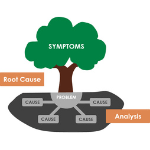
Root Cause Treatment – Heal from Within
Heal from within! Our personalized Ayurveda therapies address the root cause of your health concerns.

Online & In-Clinic Consultation – Health Anytime, Anywhere
Talk to expert Ayurvedic doctors anytime, anywhere—via video call or in-person visits.

Dedicated Follow-Up Support – Your Healing Partner
We monitor your progress and guide you throughout your healing journey.

100% Natural, Herbal & Safe Products
Pure Ayurvedic products made from natural herbs for effective and safe treatment.
100% Refund Policy
Your Satisfaction, Guaranteed!
What is Gout?
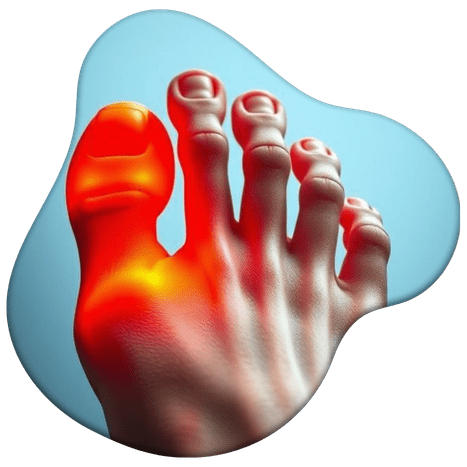
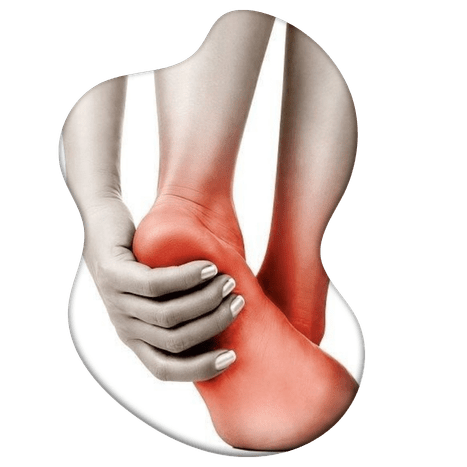
Gout is a form of inflammatory arthritis caused by the accumulation of excess uric acid in the blood, leading to the formation of uric acid crystals in the joints. These crystals trigger sudden and severe joint pain, swelling, redness, and stiffness, most commonly affecting the big toe, ankles, knees, feet, and sometimes fingers or wrists. Gout attacks often occur suddenly and may worsen at night or after dietary triggers such as alcohol, red meat, or high-purine foods.
Gout can significantly affect mobility and daily activities if not managed properly. Recurrent attacks may lead to chronic joint inflammation, deformity, and reduced joint function over time.
From an Ayurvedic perspective, Gout is associated with an imbalance of Vata and Pitta doshas along with the accumulation of Ama (toxins) in the body. Ayurvedic treatment for Gout focuses on reducing uric acid naturally, eliminating toxins, calming inflammation, and restoring dosha balance. This holistic approach includes dietary correction, lifestyle modification, herbal therapies, and detoxification techniques to support long-term joint health and prevent recurrent gout attacks.
Symptoms Of Gout
Signs a Gout patient may experience are –
- Sudden Severe Joint Pain – Intense pain that often starts suddenly, commonly affecting the big toe, ankle, knee, or foot. Pain may become severe within hours, especially at night.
- Joint Swelling & Redness – Affected joints may appear swollen, red, warm, and extremely sensitive due to uric acid crystal deposition.
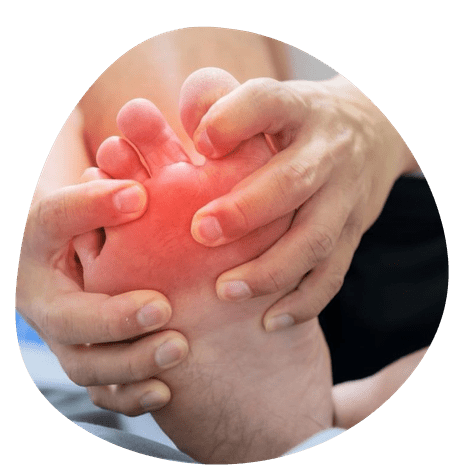
- Extreme Tenderness – Even light touch, pressure from bedsheets, or minimal movement can cause severe discomfort in the affected joint.
- Limited Joint Mobility – Swelling and pain can restrict joint movement, making walking or daily activities difficult during a gout attack.
- Recurrent Flare-Ups – Symptoms may subside after a few days but can return periodically, often becoming more frequent if not managed properly.
- Burning Sensation & Heat – The affected joint may feel unusually hot, inflamed, or burning due to acute inflammation.
- Chronic Joint Damage (Advanced Gout) – Long-term unmanaged gout may lead to joint stiffness, deformity, and formation of tophi (hard uric acid deposits under the skin).
Causes Of Gout
Several factors contribute to the development of Gout, a type of inflammatory arthritis caused by excess uric acid accumulation in the body. The primary cause of Gout is elevated uric acid levels in the blood (hyperuricemia). When uric acid builds up beyond normal levels, it can form sharp urate crystals that deposit in the joints, leading to sudden pain, swelling, redness, and inflammation. These crystal deposits commonly affect joints such as the big toe, ankle, knee, and foot.
Dietary and lifestyle factors play a major role in triggering Gout attacks. Excess consumption of purine-rich foods such as red meat, organ meats, seafood, alcohol (especially beer), and sugary beverages can increase uric acid production. Additionally, obesity, dehydration, kidney dysfunction, and reduced uric acid excretion can further elevate uric acid levels. From an Ayurvedic perspective, aggravated Vata and Pitta dosha along with Ama (toxins) accumulation contribute to joint inflammation, pain, and recurrent gout flare-ups. If left unmanaged, Gout may progress to chronic joint damage and reduced mobility, highlighting the importance of early diagnosis and proper management.
Some other causes of Gout are –
High Uric Acid Accumulation
Impaired Uric Acid Metabolism
Excess production or reduced excretion of uric acid leads to crystal formation in joints, causing sudden pain, swelling, redness, and inflammation, especially in the feet and toes.
Kidney Function Imbalance
Reduced Uric Acid Excretion
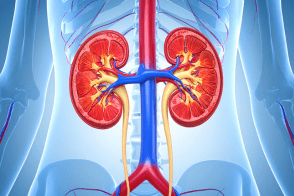
Weak or overloaded kidneys may fail to eliminate uric acid efficiently, allowing toxins to accumulate in the bloodstream and deposit in joints, triggering gout attacks.
Dietary & Lifestyle Triggers
Purine-Rich Foods & Alcohol Intake
Frequent consumption of red meat, seafood, alcohol, sugary drinks, and processed foods increases uric acid levels and significantly raises the risk of gout flare-ups.
Obesity & Metabolic Disorders
Increased Metabolic Load
Excess body weight and metabolic imbalance increase uric acid production and joint stress, worsening inflammation and increasing the frequency of gout attacks.
Previous Joint Stress or Injury
Localized Crystal Deposition
Joints that have experienced prior injury, strain, or reduced circulation are more prone to uric acid crystal accumulation, leading to recurrent gout pain.
Vata–Pitta & Ama Imbalance
Toxin Accumulation & Heat Aggravation
According to Ayurveda, aggravated Vata and Pitta dosha along with accumulation of Ama (toxins) disrupt normal metabolism, resulting in burning pain, swelling, redness, and stiffness seen in Gout.
Gout can develop gradually due to the accumulation of excess uric acid in the blood, leading to the formation of uric acid crystals in the joints.
In the early stages, symptoms may appear suddenly as acute attacks and can worsen over time, causing severe joint pain, swelling, redness, and stiffness. If not managed properly, gout can lead to recurrent flare-ups, chronic joint inflammation, and long-term joint damage. Consulting a qualified specialist along with supportive Ayurvedic management may help reduce uric acid imbalance, control inflammation, relieve pain, and support long-term joint health naturally.
If talking about Gout, the symptoms may include –
- Sudden and severe joint pain
- Intense pain commonly affecting the big toe, ankle, knee, or foot
- Swelling, redness, and warmth around the affected joint
- Extreme tenderness, even with light touch or pressure
- Hard uric acid deposits (tophi) in advanced stages
- Recurrent flare-ups with symptom-free periods in between
- Hard uric acid deposits (tophi) in advanced stages
- Disturbed sleep due to night-time pain and discomfort
Diagnosis Of Gout
Proper diagnosis is a crucial step in planning effective treatment for Gout. Since gout symptoms often appear suddenly and may resemble other forms of arthritis or joint infections, a detailed clinical evaluation is essential. Doctors assess symptoms, medical history, frequency of flare-ups, joint swelling, redness, and pain severity to understand the extent of uric acid involvement. To confirm the diagnosis and evaluate disease progression, several investigations may be advised, such as –

Blood Tests
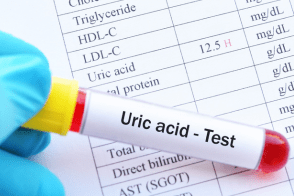
Blood tests are commonly used to measure uric acid levels in the blood. Elevated serum uric acid levels support the diagnosis of gout and help assess the risk of future flare-ups. Additional blood tests may also be recommended to rule out infections, kidney issues, or other inflammatory conditions.

Physical & Clinical Examination
A physical examination is performed to evaluate joint swelling, redness, warmth, tenderness, and range of motion. Doctors assess the pattern of joint involvement—especially the big toe, ankle, or knee—and review the frequency and severity of gout attacks. Clinical evaluation helps differentiate gout from other types of arthritis.

Imaging tests
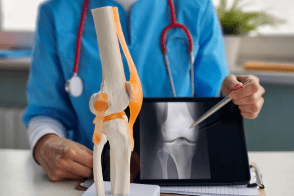
Imaging tests such as X-rays, ultrasound, or dual-energy CT scans may be advised in chronic or advanced gout cases. These tests help identify uric acid crystal deposits (tophi), joint damage, and long-term structural changes caused by repeated gout attacks.
Early diagnosis of Gout helps control uric acid levels, reduce severe joint inflammation, prevent recurrent flare-ups, and improve long-term joint mobility and overall quality of life.
Ayurvedic Treatment For Gout
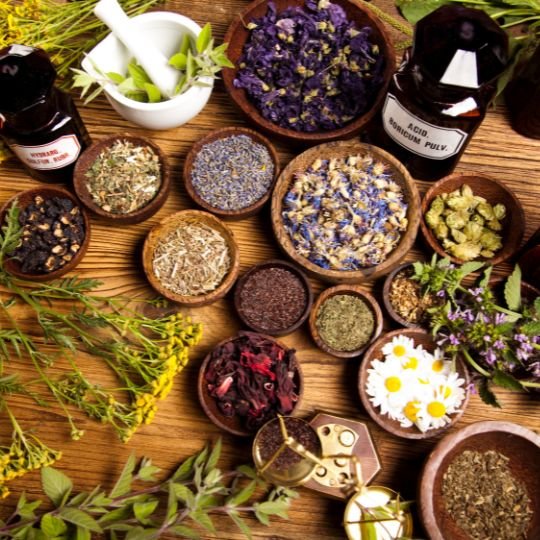
Ayurveda is an ancient system of medicine that focuses on treating diseases by addressing their root causes rather than only managing symptoms. In Gout, Ayurvedic treatment aims to reduce excess uric acid accumulation, control inflammation, relieve severe joint pain and swelling, and prevent recurrent flare-ups. This holistic approach works on balancing the body, mind, and doshas especially Pitta and Vata to support long-term joint health and metabolic balance. Below are some key aspects of Ayurvedic treatment for Gout, which may include –

Herbal Remedies
Ayurvedic practitioners use specific herbal formulations to help reduce uric acid levels, control inflammation, and relieve joint pain associated with gout. These herbs help pacify aggravated Pitta dosha and eliminate Ama (toxins), which are considered major contributors to gout attacks. Herbal remedies also support kidney function and improve uric acid metabolism when used under professional guidance.

Dietary Guidelines
Ayurveda emphasizes a personalized diet plan to manage gout effectively. Dietary guidelines focus on reducing purine-rich foods, improving digestion, and preventing toxin accumulation. Light, cooling, and easily digestible foods are generally recommended, while excessive alcohol, red meat, seafood, fermented foods, and spicy items are discouraged to help control uric acid levels and inflammation.

Panchakarma Therapy
Panchakarma therapy includes specialized detoxification and purification procedures designed to remove accumulated toxins and balance doshas. In gout, therapies such as Virechana (therapeutic purgation), Basti (medicated enema), and Abhyanga (medicated oil massage) may be advised based on individual assessment. These therapies help reduce inflammation, cleanse excess uric acid, and prevent recurrent gout flare-ups.

Yoga and Meditation
Yoga and meditation play an important role in Ayurvedic management of gout. Gentle yoga asanas help improve joint flexibility, circulation, and metabolic function, while pranayama supports detoxification and stress reduction. Meditation helps control stress, which is known to trigger or worsen gout attacks.

Lifestyle Changes
Ayurveda encourages lifestyle modifications to prevent gout flare-ups and support long-term joint health. Maintaining a healthy body weight, staying well-hydrated, avoiding alcohol, following a regular sleep routine, and managing stress are essential aspects of gout management. Adopting an Ayurvedic lifestyle helps regulate uric acid levels and improves overall quality of life.

Ayurvedic Medications
Ayurvedic physicians prescribe medications based on an individual’s Prakriti (body constitution) and Vikriti (current imbalance). In gout, medicines are selected to control uric acid buildup, reduce inflammation, relieve pain, and support kidney and joint health. These medications should always be taken under expert supervision to ensure safety and effectiveness.