
AYURVEDIC TREATMENT FOR PNEUMOTHORAX
ROOT CAUSE BASED AYURVEDIC APPROACH TO PNEUMOTHORAX MANAGEMENT
- Safe Long-Term Ayurvedic Support
- Helps Reduce Breathlessness & Chest Discomfort
- Supports Lung Recovery & Respiratory Function
- Improves Strength, Healing & Circulation
- 100% Natural & Steroid-Free Ayurvedic Care
- Experienced Ayurvedic Doctors for Lung Care
Pneumothorax is a condition where air enters the pleural space, causing lung collapse, chest pain, and breathlessness. It requires immediate medical care. Ayurveda supports recovery after treatment by balancing Vata, strengthening lungs, promoting tissue healing, improving vitality (Ojas), and helping restore respiratory function naturally under proper supervision.
Submit your contact information to get a FREE CALL from our Professionals
Let’s take a step towards alleviating Pneumothorax naturally
Hurry up, we have only limited slots
Why Choose PureVedicLife?

Free Home Delivery – Ayurveda at Your Doorstep
Get Ayurvedic medicines & wellness products delivered for free, right to your doorstep.
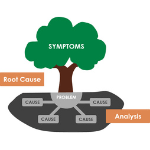
Root Cause Treatment – Heal from Within
Heal from within! Our personalized Ayurveda therapies address the root cause of your health concerns.

Online & In-Clinic Consultation – Health Anytime, Anywhere
Talk to expert Ayurvedic doctors anytime, anywhere—via video call or in-person visits.

Dedicated Follow-Up Support – Your Healing Partner
We monitor your progress and guide you throughout your healing journey.

100% Natural, Herbal & Safe Products
Pure Ayurvedic products made from natural herbs for effective and safe treatment.
100% Refund Policy
Your Satisfaction, Guaranteed!
What is Pneumothorax?
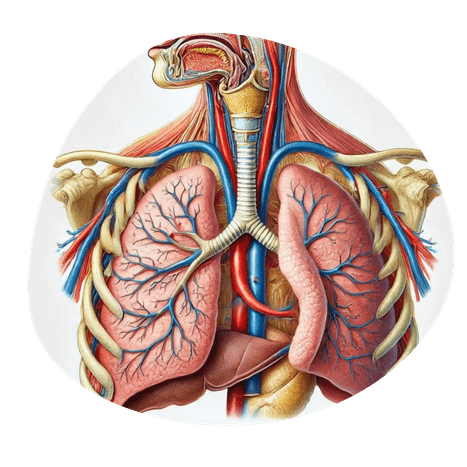
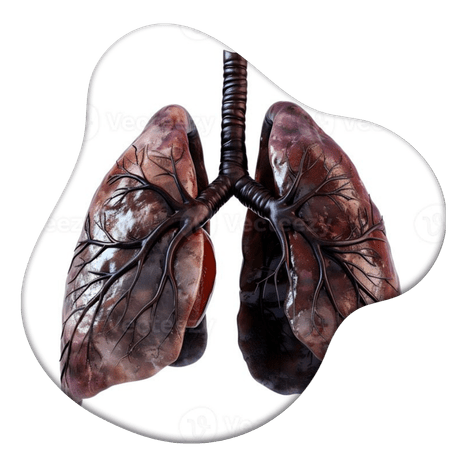
Pneumothorax is a condition in which air collects in the space between the lung and chest wall (pleural space), causing the lung to collapse partially or completely. This reduces the lung’s ability to expand properly, leading to breathing difficulty and decreased oxygen supply. It can occur suddenly due to injury, lung disease, or even without a clear cause in some individuals. Common symptoms include sudden sharp chest pain, shortness of breath, rapid breathing, and chest tightness.
Pneumothorax is a medical emergency in many cases and requires immediate treatment. Along with emergency medical care, Ayurvedic support focuses on balancing Vata dosha, improving lung strength, and supporting tissue healing. Through a holistic approach including herbal support, proper diet, and lifestyle management, Ayurveda helps in recovery, reduces weakness, and promotes long-term respiratory health naturally.
Symptoms Of Pneumothorax
Signs a Pneumothorax patient may experience are –
- Sudden Sharp Chest Pain A sudden, intense, stabbing pain usually felt on one side of the chest. It may worsen with deep breathing, coughing, or movement and is often the first noticeable symptom.
- Shortness of Breath (Breathlessness) Difficulty in breathing that can appear suddenly and may range from mild discomfort to severe respiratory distress depending on the extent of lung collapse.
- Swelling Along the Tendon – Noticeable swelling, thickening, or tenderness along the Achilles tendon, indicating inflammation or tendon degeneration.
- Rapid or Shallow Breathing Breathing becomes faster and shallow as the body tries to compensate for reduced lung expansion and oxygen intake.
- Bluish Lips or Fingertips (Cyanosis) In severe cases, low oxygen levels may cause a bluish discoloration of lips or nails, indicating reduced oxygenation.
- Dry or Irritating Cough Some patients may experience a mild, dry cough without mucus due to irritation in the lungs.
- Increased Heart Rate (Tachycardia) The heart may beat faster as the body tries to deliver more oxygen to vital organs.
Causes Of Pneumothorax
Pneumothorax occurs when air leaks into the space between the lung and chest wall (pleural space), causing the lung to collapse partially or completely. This air leak disrupts normal lung expansion and leads to breathing difficulty. The condition can develop suddenly or due to underlying lung problems, injuries, or external factors affecting the lungs.
From a modern medical perspective, Pneumothorax is commonly caused by rupture of small air blisters (blebs) on the lung surface, chest injury, lung diseases, or medical procedures. It may also occur spontaneously, especially in tall, thin individuals or smokers.
Ayurvedic management focuses on balancing Vata, strengthening lung tissues, improving circulation, and supporting natural healing to restore proper respiratory function.
Some other causes of Pneumothorax are –
Herbal Remedies
Natural Lung Strength & Healing Support
Ayurvedic herbs help strengthen lung tissues, reduce inflammation, and support recovery after lung collapse. Herbs like Mulethi, Pippali, Ashwagandha, and Giloy help improve respiratory strength, reduce weakness, and promote healing under expert supervision.
Respiratory Support Therapy
Improves Breathing & Lung Function
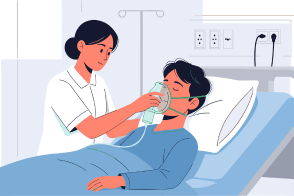
Ayurveda focuses on improving lung capacity and breathing efficiency. Gentle breathing practices like Pranayama and supportive therapies help enhance oxygen flow, strengthen lungs, and support gradual recovery.
Chronic Weakness & Recovery Care
Long-Term Strength & Healing
Pneumothorax can lead to fatigue and reduced stamina. Ayurvedic care includes Rasayana therapies, proper nutrition, and rest to rebuild strength, improve vitality, and support long-term recovery.
Herbal & Rasayana Support
Immunity Boost & Tissue Nourishment
Special formulations help nourish body tissues (Dhatus), improve digestion (Agni), and enhance immunity (Ojas), supporting lung tissue repair and reducing recurrence risk.
Dosha Balance Therapy
Restores Internal Balance
Treatment focuses on balancing Vata dosha, which plays a key role in respiratory function. This helps improve lung stability, reduce irregular air movement, and support proper healing.
Detoxification & Lifestyle Care
Prevention & Holistic Healing
Through detoxification (Ama removal), diet correction, and lifestyle changes, Ayurveda helps improve overall health, prevent complications, and maintain long-term respiratory wellness.
Pneumothorax can develop suddenly when air leaks into the space between the lung and chest wall, leading to partial or complete lung collapse. In many cases, symptoms appear अचानक (suddenly) and may worsen quickly if not treated. This condition is commonly associated with chest injury, lung disease, or spontaneous rupture of air sacs, increasing the risk of severe breathing difficulty, reduced oxygen levels, and life-threatening complications. Consulting a qualified specialist along with immediate medical care is essential to relieve symptoms, restore lung function, and support proper recovery.
If talking about Pneumothorax, the symptoms may include –
- Sudden sharp chest pain, usually on one side
- Shortness of breath or difficulty breathing
- Rapid or shallow breathing
- Chest tightness or discomfort
- Fatigue or weakness due to low oxygen levels
- Bluish lips or fingertips (low oxygen levels)
- Severe breathing distress in advanced cases (medical emergency)
Diagnosis Of Pneumothorax
Proper diagnosis is a crucial step in planning effective treatment for Pneumothorax. Since symptoms often appear suddenly and may resemble other chest or lung conditions, a detailed clinical evaluation is essential. Doctors assess symptoms such as sudden chest pain, shortness of breath, rapid breathing, and reduced oxygen levels, along with medical history and risk factors like trauma, lung disease, or smoking.
To confirm the diagnosis and evaluate the severity of lung collapse, investigations such as physical examination and imaging tests are advised to assess air accumulation in the pleural space and overall lung function.
Blood tests
Blood tests may be advised to assess oxygen levels and overall health status. Tests like arterial blood gas (ABG) help measure oxygen and carbon dioxide levels in the blood, indicating the severity of respiratory impairment. These tests assist doctors in planning appropriate treatment.
Physical & Clinical Examination
A physical examination is essential to assess breathing patterns, chest movement, and lung sounds. Doctors may detect reduced or absent breath sounds on the affected side, check oxygen saturation, and evaluate signs of respiratory distress. Clinical assessment helps determine the urgency and severity of the condition.
Imaging tests
Imaging tests such as chest X-ray or CT scan are key to confirming pneumothorax. These tests clearly show the presence of air in the pleural space and the extent of lung collapse, helping guide immediate and appropriate treatment decisions.
Early diagnosis of Pneumothorax helps prevent further lung collapse, reduce complications, improve breathing function, and support safe long-term respiratory recovery and healing.
Ayurvedic Treatment For Pneumothorax at Purevedic Life
Ayurveda is an ancient system of medicine that focuses on treating diseases by addressing their root cause rather than only managing symptoms. In Pneumothorax, Ayurvedic treatment aims to support recovery by strengthening lung tissues, improving respiratory function, and restoring overall balance naturally. This holistic approach works on balancing Vata dosha, improving circulation, enhancing vitality (Ojas), and supporting tissue healing after lung collapse.
Below are some key aspects of Ayurvedic treatment for Pneumothorax, which may include –

Herbal Remedies
Ayurvedic practitioners use specific herbal formulations to help reduce tendon inflammation, relieve pain, and support healing in Achilles Tendon Disorders. These herbs aim to pacify aggravated Vata dosha, improve blood circulation around the tendon, nourish connective tissues, and reduce Ama (toxins). Herbal support helps strengthen the Achilles tendon and promotes natural recovery when taken under professional guidance.

Dietary Guidelines
Ayurveda emphasizes a personalized Vata-balancing and anti-inflammatory diet for managing Achilles Tendon Disorders. Warm, light, and easily digestible foods are preferred to support tissue repair and improve circulation, while cold, dry, heavy, and processed foods are discouraged as they may increase stiffness, inflammation, and delayed tendon healing.

Panchakarma Therapy
Panchakarma therapies help detoxify the body and balance doshas in Achilles Tendon Disorders. Treatments such as Abhyanga (medicated oil massage), Swedana (therapeutic sweating), and localized therapies may be recommended to reduce tendon stiffness, improve blood flow, relax tight calf muscles, and support gradual tendon healing under expert supervision.

Yoga and Meditation
Yoga and meditation support tendon flexibility, muscle relaxation, and stress reduction in Achilles Tendon Disorders. Gentle yoga practices, controlled stretching, and breathing exercises help improve blood circulation to the Achilles tendon, reduce stiffness in the calf muscles, and support gradual healing. Pranayama and meditation calm the nervous system, which aids pain management and promotes faster tissue recovery.

Lifestyle Changes
Ayurveda encourages lifestyle modifications to support tendon healing and prevent recurrence in Achilles Tendon Disorders. Avoiding prolonged standing, overuse, or sudden strain, maintaining proper posture, wearing supportive footwear, adequate rest, hydration, and stress management help reduce tendon inflammation and improve mobility. A disciplined daily routine supports long-term tendon strength and functional recovery.

Ayurvedic Medications
Ayurvedic medications are prescribed based on an individual’s Prakriti and Vikriti. In Achilles Tendon Disorders, medicines focus on reducing inflammation, relieving pain, nourishing connective tissues, and strengthening the tendon. These formulations help balance aggravated Vata dosha, improve circulation, and support natural tendon repair, and should always be taken under expert Ayurvedic supervision for safe and effective recovery.