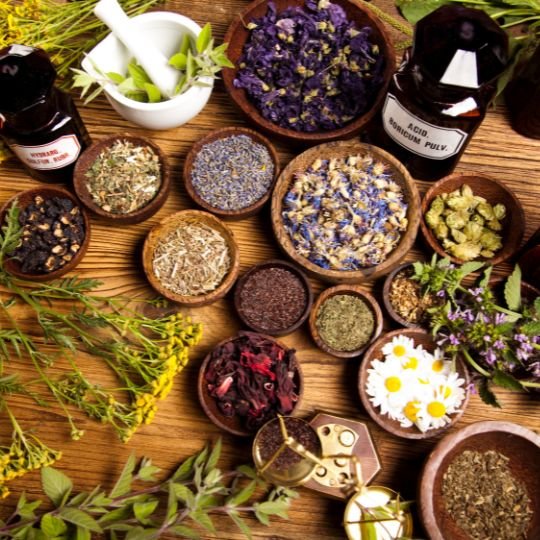

AYURVEDIC TREATMENT FOR SCIATICA

Root cause based ayurvedic approach to sciatica management

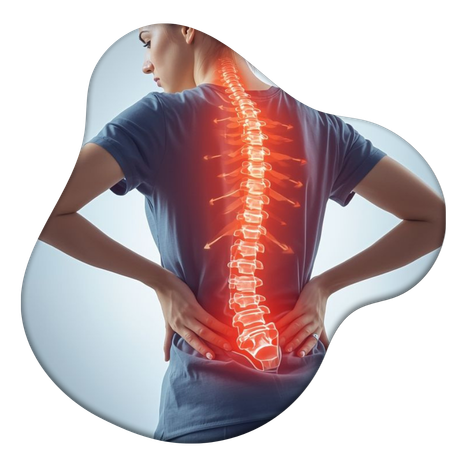
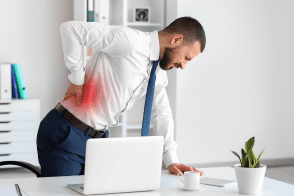
Sciatica is a nerve-related condition caused by compression or irritation of the sciatic nerve, leading to sharp lower back pain that radiates through the hips, buttocks, and legs. The pain may worsen with prolonged sitting, bending, or movement and can significantly affect daily activities and sleep quality. Many patients seek Ayurvedic treatment for Sciatica when conventional painkillers provide only temporary relief.

Submit your contact information to get a FREE CALL from our Professionals

Let’s take a step towards alleviating varicocele naturally

OR CALL

Hurry up, we have only limited slots

Why Choose PureVedicLife?

33

Free Home Delivery – Ayurveda at Your Doorstep

Get Ayurvedic medicines & wellness products delivered for free, right to your doorstep.
34 1

Root Cause Treatment – Heal from Within

Heal from within! Our personalized Ayurveda therapies address the root cause of your health concerns.

35 1

Online & In-Clinic Consultation – Health Anytime, Anywhere

Talk to expert Ayurvedic doctors anytime, anywhere—via video call or in-person visits.

36 1

Dedicated Follow-Up Support – Your Healing Partner

We monitor your progress and guide you throughout your healing journey.

37 1

100% Natural, Herbal & Safe Products

Pure Ayurvedic products made from natural herbs for effective and safe treatment.

100% Refund Policy

Your Satisfaction, Guaranteed!

Untitled design 5

What is Sciatica?

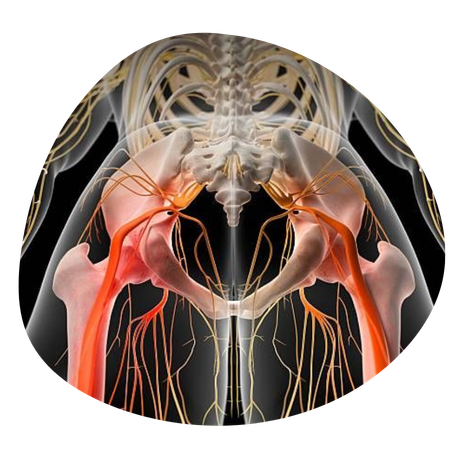
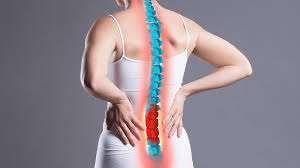
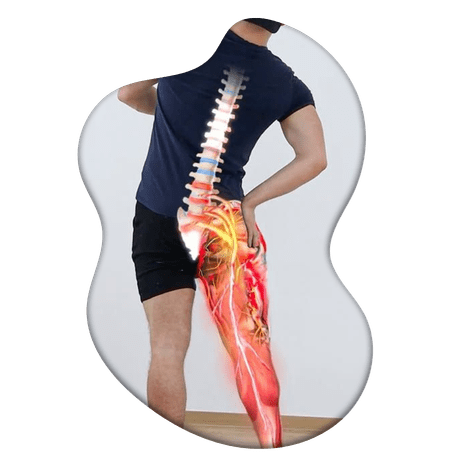
Sciatica is a nerve-related condition caused by irritation, compression, or inflammation of the sciatic nerve, which runs from the lower back through the hips, buttocks, and down each leg. It commonly leads to sharp, shooting pain in the lower back that radiates to one leg, along with symptoms such as burning sensation, tingling, numbness, or muscle weakness. Sciatic pain often worsens with prolonged sitting, bending, lifting, or sudden movements and may interfere with walking, standing, and sleep.

Sciatica usually develops gradually due to conditions like slipped disc, spinal degeneration, muscle tightness, or improper posture, though it can sometimes occur suddenly after injury or strain. If left unmanaged, persistent nerve compression can reduce mobility and significantly affect daily activities and quality of life.

Sciatica is a manageable condition when diagnosed early and treated appropriately. Ayurvedic treatment for Sciatica focuses on reducing nerve inflammation, relieving pressure on the sciatic nerve, easing pain and stiffness, and improving spinal alignment. This holistic approach works by balancing aggravated Vata dosha, correcting lifestyle and posture, and using natural therapies, diet regulation, and detoxification techniques. Ayurveda emphasizes long-term nerve and spine health, helping restore mobility and improve overall well-being naturally.

Untitled design 10 2
Untitled design 11 2

Symptoms Of Sciatica

Signs a Sciatica patient may experience are –

Causes Of Sciatica

Several factors contribute to the development of Sciatica, a condition caused by irritation or compression of the sciatic nerve, which runs from the lower back through the hips and down each leg. The most common cause is pressure on the sciatic nerve due to structural problems in the lower spine. Sciatica is not a disease itself but a symptom of an underlying spinal or nerve-related condition.

One of the primary causes of Sciatica is disc-related issues, where spinal discs press on or irritate the sciatic nerve, leading to pain, inflammation, and nerve-related symptoms. Over time, improper posture, repetitive strain, or spinal degeneration can worsen nerve compression and increase pain intensity.

Inflammation around the nerve, muscle tightness, or narrowing of spinal spaces can also trigger Sciatica. If left unmanaged, continuous nerve irritation may cause chronic pain, numbness, muscle weakness, and reduced mobility, highlighting the importance of early diagnosis and proper management.

Some other causes of Ankylosing Spondylitis are –

Untitled design 14

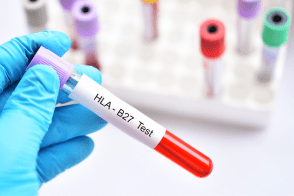
Genetic Predisposition (HLA-B27 Positive)

Inherited Structural Weakness
Kuch logon mein spinal discs, nerves ya lower back structure genetically weak hota hai, jiske kaaran sciatic nerve par pressure jaldi develop ho jata hai. Family history of back problems, disc issues, ya nerve pain Sciatica ka risk badha sakti hai.

Untitled design 15

Immune System Dysfunction

Inflammatory Nerve Irritation
Autoimmune ya chronic inflammatory conditions ke kaaran body ka immune system nerve tissues ke around inflammation create kar deta hai. Is inflammation ki wajah se sciatic nerve irritated hoti hai, jisse sharp pain, burning sensation aur tingling legs mein feel hoti hai.

Untitled design 16

Chronic Spinal Inflammation

Persistent Nerve Compression
Lower spine ya lumbar region mein long-term inflammation discs aur surrounding tissues ko damage karti hai. Yeh inflammation sciatic nerve ko compress karti hai, jisse pain lower back se hips aur legs tak spread hota hai aur movement difficult ho jati hai.

Untitled design 14

Family History

Higher Genetic Susceptibility
Agar family mein kisi ko lower back pain, disc problems, nerve compression, ya Sciatica rahi ho, to genetic tendency ke kaaran sciatic nerve issues develop hone ka risk badh jata hai. Weak spinal structure ya disc degeneration inherited ho sakta hai.

Untitled design 15

Age & Gender Factors

Degenerative Spine Changes
Sciatica zyada tar 30–60 years ke beech develop hoti hai, jab spine ke discs gradually weak ya compressed hone lagte hain. Long sitting jobs aur physically demanding work ke kaaran males mein Sciatica ka risk thoda zyada dekha jata hai.

Untitled design 16

Environmental Triggers

Lifestyle & External Risk Factors
Prolonged sitting, wrong posture, heavy lifting, lack of physical activity, cold exposure, ya repetitive strain spine par extra pressure daalte hain. Yeh factors sciatic nerve irritation ko trigger karte hain, jisse pain lower back se legs tak radiate hota hai.

Sciatica can develop gradually due to compression, irritation, or inflammation of the sciatic nerve, which runs from the lower back through the hips and down each leg. In the early stages, symptoms may appear intermittently and worsen over time, leading to sharp radiating pain, numbness, tingling, and reduced mobility. If not managed properly, Sciatica can interfere with posture, walking, sitting, and daily activities. Consulting a qualified specialist along with supportive Ayurvedic management may help reduce nerve inflammation, relieve pain, improve flexibility, and support long-term spinal and nerve health naturally.

If talking about Sciatica, the symptoms may include –

Diagnosis Of Sciatica

Proper diagnosis is a crucial step in planning effective treatment for Sciatica. Since sciatica symptoms may develop gradually and often resemble common lower back pain, muscle strain, or disc-related issues, a detailed clinical evaluation is essential. Doctors assess symptoms, medical history, pain pattern, nerve involvement, posture, and physical mobility to identify the underlying cause of sciatic nerve compression or irritation. To confirm the diagnosis and evaluate the severity of nerve involvement, several investigations may be advised, such as –

Untitled design 8
oligospermia icon 1

Blood tests

Blood tests are not primarily used to diagnose Sciatica, but they help rule out underlying causes such as inflammation, infection, or systemic disorders that may mimic nerve pain. Tests like ESR and CRP may be advised to check inflammatory activity, while blood sugar levels can help assess diabetic neuropathy. These tests support accurate diagnosis and help differentiate Sciatica from other inflammatory or neurological conditions.

hydrocele icon 1

Physical & Clinical Examination

A physical and clinical examination is a key step in diagnosing Sciatica. Doctors assess posture, lower back flexibility, muscle strength, reflexes, and nerve responses. Specific tests such as the Straight Leg Raise (SLR) test help identify sciatic nerve compression. Pain patterns, radiating leg pain, numbness, tingling, and response to movement or rest are carefully evaluated to determine nerve involvement and severity.

hydrocele icon 1

Imaging tests

Imaging tests allow doctors to examine the spine and sacroiliac joints for inflammation or structural changes. X-rays help detect long-term joint damage, while MRI scans can identify early inflammatory changes before permanent damage occurs. Imaging plays a key role in early diagnosis and treatment planning.

Early diagnosis of Ankylosing Spondylitis helps control inflammation, slow disease progression, prevent spinal stiffness, and improve long-term mobility, posture, and overall quality of life.

Ayurvedic Treatment For Sciatica

Ayurveda is an ancient system of medicine that focuses on treating diseases by addressing their root cause rather than only suppressing symptoms. In Sciatica (known as Gridhrasi in Ayurveda), treatment aims to reduce nerve inflammation, relieve radiating leg pain, and restore normal nerve and muscle function. Ayurvedic management works on balancing aggravated Vata dosha, removing Ama (toxins), and strengthening the spine and nervous system to support long-term relief and mobility.

Below are the key components of Ayurvedic treatment for Sciatica –

5

Herbal Remedies

Ayurvedic practitioners use specific herbal formulations to help reduce nerve pain, inflammation, and muscle stiffness associated with Sciatica. These herbs are selected to pacify aggravated Vata dosha, improve nerve conduction, and reduce swelling around the sciatic nerve. Herbal remedies help nourish nerves, improve circulation, and support long-term pain relief when taken under expert supervision.

6

Dietary Guidelines

Ayurveda emphasizes a Vata-pacifying diet to manage Sciatica effectively. Warm, light, and easily digestible foods are recommended to reduce inflammation and prevent toxin accumulation. Excessive cold, dry, processed, and heavy foods are discouraged, as they can aggravate nerve pain and stiffness. A balanced Ayurvedic diet supports nerve health and faster recovery.

7

Panchakarma Therapy

Panchakarma therapies play a vital role in Ayurvedic treatment for Sciatica by detoxifying the body and calming aggravated Vata. Therapies such as Abhyanga (medicated oil massage), Swedana (therapeutic sweating), Kati Basti, and Basti therapy (medicated enemas) may be advised based on individual assessment. These treatments help reduce nerve compression, relieve stiffness, and improve flexibility.

8

Yoga and Meditation

Specific yoga asanas and gentle stretching exercises help relieve sciatic nerve pressure, strengthen the lower back, and improve posture. Yogic practices enhance blood circulation, reduce muscle tightness, and support nerve healing. Breathing techniques and relaxation practices further help manage pain and stress associated with chronic Sciatica.

9

Lifestyle Changes

Ayurveda recommends lifestyle changes to prevent flare-ups and support long-term nerve health. Maintaining proper posture, avoiding prolonged sitting, practicing regular gentle movement, managing body weight, and following a consistent sleep routine help reduce sciatic nerve irritation. These changes promote better mobility, reduced pain, and improved quality of life.
10

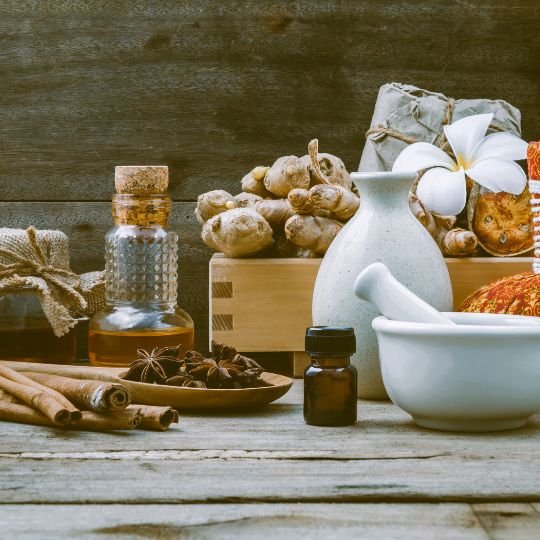
Ayurvedic Medications

Ayurvedic physicians prescribe medicines based on an individual’s Prakriti (body constitution) and Vikriti (current imbalance). In Sciatica, medications are selected to address nerve inflammation, pain, muscle spasm, and degeneration while strengthening the nervous system. These medicines should always be taken under professional Ayurvedic guidance for safety and effectiveness.


Frequently Asked Questions About Sciatica

What is Sciatica?

Sciatica is a condition caused by irritation or compression of the sciatic nerve, leading to pain that radiates from the lower back to the hips, buttocks, and legs. It may also cause numbness, tingling, or weakness in the affected leg.

What are the main causes of Sciatica?

Sciatica is commonly caused by slipped disc, spinal degeneration, muscle spasm, prolonged sitting, poor posture, or nerve compression. According to Ayurveda, aggravated Vata dosha plays a key role in the development of Sciatica.

Can Sciatica be treated with Ayurveda?

Sciatica is manageable with Ayurvedic treatment. While it may not always be permanently curable, Ayurveda helps reduce nerve inflammation, relieve pain, improve mobility, and prevent recurrence when followed consistently under expert guidance.

How does Ayurveda explain Sciatica?

In Ayurveda, Sciatica is known as Gridhrasi. It occurs due to Vata imbalance, sometimes combined with Kapha, leading to nerve irritation, muscle tightness, and radiating pain from the lower back to the leg.

What Ayurvedic treatments are used for Sciatica?

Ayurvedic management for Sciatica may include herbal medicines, Panchakarma therapies (such as Basti, Abhyanga, Swedana), dietary correction, lifestyle changes, and gentle yoga based on individual assessment.

Is Panchakarma effective for Sciatica?

Yes. Panchakarma therapies, especially Basti (medicated enema), are considered highly effective in managing Sciatica by balancing Vata dosha, reducing nerve compression, and improving flexibility.

How long does Ayurvedic treatment take to show results in Sciatica?

The response time varies depending on the severity and duration of the condition. Many patients experience gradual pain relief and improved mobility within a few weeks, while chronic cases may require longer-term management.

Is Ayurvedic treatment for Sciatica safe for long-term use?

Yes. When prescribed by qualified Ayurvedic doctors, Ayurvedic treatment is safe for long-term use and focuses on addressing the root cause rather than just suppressing symptoms.

Can lifestyle changes help control Sciatica?

Absolutely. Ayurveda emphasizes proper posture, regular movement, avoiding prolonged sitting, warm diet, stress management, and gentle exercises to prevent flare-ups and support long-term nerve health.

Can early treatment prevent worsening of Sciatica?

Yes. Early diagnosis and timely Ayurvedic management can help control nerve inflammation, prevent chronic pain, and reduce the risk of recurrence, improving overall quality of life.

Dr. Jayanth Reddy

Typically replies within a Minutes

Get FREE Consultation

GET IN TOUCH TO GET STARTED FASTER

Give us a ring

+91 88103 74294

Our Media Partners

Get FREE Consultation

We are ready to help you. Fill out the form below to get started.

Alternatively you can contact us at: info@purevediclife.com
* We don’t share your information with third party.

Rajesh
Rajesh

Just left us a 5 star review

5.0
Based on 28 Reviews
Rajesh
Rajesh
February 17, 2026

Purevedic life Hospital se meri bhen ke kidney hue thik

Purevedic life Hospital se meri bhen ke kidney hue thik
Allopathic dr ne bol diya tha ke hafte me 3 bar dialysis karwana he pdega lekin maine vishwas karke bharat homeopathy se ilaj karwaya or meri bhen ke kidney abb phle se bhoot aache hai hafte me 1 bar dialysis ho rha hai
Mai to sabko yeh he suggest karungi ki ajj he Purevedic life se ilaj karwaye

Farah Khan
Farah Khan
February 4, 2026

Asthma me breathing pehle se better

Season change pe asthma trigger ho jata tha. Ayurvedic treatment start kiya aur dheere dheere inhaler ki dependency kam hui. Chest tightness aur night coughing ab kam hoti hai.

Ramesh Verma
Ramesh Verma
February 1, 2026

Ghutno ka dard kaafi had tak kam ho gaya

Mujhe kaafi time se knee joint pain tha, chalne me bhi problem hoti thi. PureVedicLife ka treatment follow kiya, herbs aur diet dono. 2 mahine me pain noticeable kam ho gaya aur stiffness bhi kam ho rahi hai. Ab daily walk possible ho pa rahi hai.

Imran Ali
Imran Ali
January 25, 2026

Asthma symptoms manageable ho gaye

PureVedicLife ke herbs aur breathing guidance se kaafi relief mila. Exercise tolerance improve hui aur wheezing episodes kam ho gaye. Natural approach ka benefit clearly feel ho raha hai.

Sunita Sharma
Sunita Sharma
January 22, 2026

Joint pain me natural relief mila

Doctors ke painkillers se thak chuki thi. Ayurveda try karne ka decision liya aur PureVedicLife se consult kiya. Dheere dheere swelling kam hui aur joints zyada flexible feel hone lage. Sabse acchi baat side effects nahi hue.

Pooja Agarwal
Pooja Agarwal
January 21, 2026

Diabetes control me madad mili

Sugar levels unstable rehte the. PureVedicLife ke treatment ke sath diet guidance follow ki. Fasting sugar gradually control me aane lagi aur overall energy bhi better lag rahi hai.

Amit Khanna
Amit Khanna
January 21, 2026

Male infertility ke liye hope mili

Reports normal nahi aa rahi thi aur stress bahut tha. PureVedicLife ka ayurvedic protocol follow kiya along with lifestyle changes. Energy level improve hua aur reports me bhi improvement dikh raha hai. Patience ke sath treatment kaam karta hai.

Pooja Agarwal
Pooja Agarwal
January 21, 2026

Diabetes control me madad mili

Sugar levels unstable rehte the. PureVedicLife ke treatment ke sath diet guidance follow ki. Fasting sugar gradually control me aane lagi aur overall energy bhi better lag rahi hai.

Rohit Mehta
Rohit Mehta
January 18, 2026

Natural approach se positive changes

Male infertility ke liye bina hormones ka treatment chahiye tha. Yahan se proper guidance mili, medicines + diet plan clear tha. 3 months me stamina aur confidence dono better feel ho rahe hain.

Manoj Gupta
Manoj Gupta
January 15, 2026

Diabetes ke saath lifestyle improve hua

Sirf sugar nahi, overall health pe focus karte hain. Medicines ke sath daily routine aur khane pe dhyaan diya. Weight aur sugar dono pe positive effect dikh raha hai.

Sandeep Yadav
Sandeep Yadav
January 8, 2026

Varicocele me pain aur discomfort kam hua

Varicocele ki wajah se heaviness aur pain rehta tha. Surgery avoid karna chahta tha. PureVedicLife ka ayurvedic treatment liya, pain kaafi kam ho gaya hai aur daily discomfort bhi reduce hua.

Nitin Chauhan
Nitin Chauhan
January 2, 2026

Varicocele ke symptoms manageable ho gaye

Ayurvedic medicines aur lifestyle advice follow ki. Zyada standing ya walking me jo discomfort hota tha wo ab kam hai. Natural approach hone ki wajah se trust bana.