
















Ayurvedic Treatment For LOW AMH

Root cause BASED AYURVEDIC APPROACH TO OVARIAN HEALTH & FERTILITY SUPPORT

Low AMH (Anti-Müllerian Hormone) is a condition that indicates reduced ovarian reserve in women, meaning a lower number of healthy eggs available for fertility. It may impact natural conception and is often associated with hormonal imbalance, age-related decline, stress, or reproductive health issues. While Low AMH may not always show clear symptoms, it can affect fertility outcomes and reproductive planning.

Submit your contact information to get a FREE CALL from our Professionals

Let’s take a step towards alleviating Low AMN naturally

OR CALL

Hurry up, we have only limited slots

What is Low AMH?

Low AMH (Anti-Müllerian Hormone) is a condition that indicates a reduced ovarian reserve, meaning a lower number of healthy eggs available in the ovaries. AMH is a key marker used to assess a woman’s fertility potential and reproductive health. Low AMH levels are often associated with age-related decline, hormonal imbalance, stress, poor lifestyle, or underlying reproductive issues, and may impact the chances of natural conception.

Low AMH is a manageable condition when addressed early and treated appropriately. Ayurvedic treatment focuses on improving ovarian function, nourishing Shukra Dhatu (reproductive tissue), eliminating Ama (toxins), balancing hormones, and strengthening overall vitality. Through a holistic approach involving herbal therapies, detoxification, lifestyle correction, and rejuvenation techniques, Ayurveda helps enhance egg quality, support hormonal balance, and promote long-term fertility and reproductive wellness naturally.

Tuberculosis TB 3
Tuberculosis TB 4

Symptoms Of Low AMH

Signs a person with Low AMH may experience are –

Causes Of Low AMH in Ayurveda

Ayurveda offers a holistic and root-cause-based approach to understanding and managing Low AMH by focusing on hormonal balance, reproductive nourishment, and overall vitality. In Ayurveda, this condition is commonly associated with aggravated Vata dosha along with depletion of Ojas (vital energy) and weakening of Shukra Dhatu (reproductive tissue), which together lead to reduced ovarian reserve and fertility potential.

From an Ayurvedic perspective, excessive Vata imbalance affects ovarian function, leading to reduced follicle development and decline in egg quality. Accumulation of Ama (toxins) in the body and reproductive channels may further disturb hormonal balance and impair nourishment of reproductive tissues. Factors such as stress, poor diet, irregular lifestyle, and aging contribute to depletion of reproductive strength and vitality over time.

Ayurvedic treatment aims to balance doshas, eliminate toxins, nourish reproductive tissues, strengthen immunity, and restore hormonal harmony. The focus is on improving ovarian function, enhancing egg quality, slowing down further decline, and supporting long-term fertility and reproductive health rather than providing only temporary or symptomatic relief.

Purevedic Life Research

Some other causes of Low AMH are –

Untitled design 10

Herbal Remedies

Natural Hormonal Balance & Ovarian Support
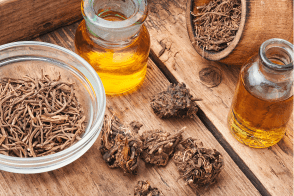
Ayurvedic herbs help manage Low AMH by improving ovarian function, balancing hormones, and nourishing reproductive tissues. Herbs like Ashwagandha, Shatavari, Lodhra, and Guduchi help strengthen Shukra Dhatu (reproductive tissue), enhance egg quality, and reduce hormonal imbalance. Herbal support also helps reduce stress, improve energy levels, and promote overall reproductive wellness under expert Ayurvedic supervision.

Untitled design 3

Circulation & Ovarian Support Therapy

Improves Blood Flow & Hormonal Response
Ayurveda focuses on enhancing blood circulation to the ovaries and strengthening the endocrine system to support recovery in Low AMH. Therapies like Abhyanga (oil massage) and supportive detoxification practices help improve circulation, reduce stress impact on hormones, and enhance nutrient delivery to reproductive organs. Improved blood flow supports better ovarian response and overall fertility health.

Untitled design 5

Fertility Enhancement & Rejuvenation

Long-Term Reproductive Health & Hormonal Stability
Ayurvedic treatment addresses both ovarian health and overall vitality by strengthening Ojas (vital energy) and improving hormonal balance. Through Rasayana therapies, lifestyle correction, and stress management, Ayurveda helps slow ovarian decline, improve egg quality, and support natural fertility. This holistic approach ensures long-term reproductive wellness and better chances of conception naturally.

Untitled design 19

Herbal & Rasayana Support

Ovarian Nourishment & Reproductive Strengthening
Ayurveda focuses on nourishing reproductive tissues and strengthening immunity through powerful herbal and Rasayana formulations. Herbs like Shatavari, Ashwagandha, Safed Musli, and Amla help rejuvenate ovarian function, improve hormonal balance, and enhance vitality. These therapies support better egg quality and overall reproductive strength.

Untitled design 14

Dosha Balance Therapy

Hormonal Regulation & Reproductive Stability
Ayurvedic treatment aims to balance Vata and Pitta doshas, which are key contributors to hormonal imbalance and ovarian decline in Low AMH. Through therapies like Abhyanga, stress-relief practices, and supportive treatments, Ayurveda helps regulate hormones, calm the nervous system, and improve reproductive function. These therapies support better hormonal coordination and long-term fertility balance.

Untitled design 25 1

Detoxification & Lifestyle Care

Hormonal Detox & Long-Term Fertility Wellness
Through Panchakarma therapies, dietary correction, and lifestyle improvements, Ayurveda helps eliminate Ama (toxins) that disrupt hormonal balance. A balanced lifestyle improves energy levels, supports ovarian health, and enhances the body’s natural reproductive capacity. This holistic approach ensures long-term improvement, prevents further decline, and promotes overall fertility wellness.

Low AMH (Anti-Müllerian Hormone) can develop gradually due to factors such as age-related ovarian decline, hormonal imbalance, stress, poor lifestyle, or underlying reproductive conditions. In many cases, it may remain unnoticed in early stages as it often does not present clear symptoms. Over time, it can impact fertility potential, egg quality, and overall reproductive health. If not managed properly, it may lead to difficulty in conception and reduced chances of successful pregnancy. Consulting a qualified specialist along with supportive Ayurvedic management may help improve ovarian function, balance hormones, and support long-term reproductive wellness naturally.

If talking about Low AMH, the symptoms may include –

How Our Consultation Process Works

Untitled design 2 1

Step 1: Detailed Health Assessment

A comprehensive consultation covering medical history, symptoms, lifestyle, and previous treatments.

Untitled design 3 3

Step 2: Root-Cause Evaluation

Identification of underlying imbalances using Ayurvedic principles and modern health understanding.

Untitled design 1 1

Step 3: Personalized Care Plan

Customized Ayurvedic support plan including formulations, diet, and lifestyle recommendations.

Untitled design 29

Step 4: Follow-Up & Monitoring

Regular follow-ups to assess progress and adjust the plan as needed.

Diagnosis Of Low AMH

Proper diagnosis is a crucial step in planning effective treatment for Low AMH. Since this condition often develops silently and may not show clear symptoms in early stages, a detailed evaluation is essential. Doctors assess factors such as menstrual history, ovarian reserve, hormonal balance, fertility history, and overall reproductive health.

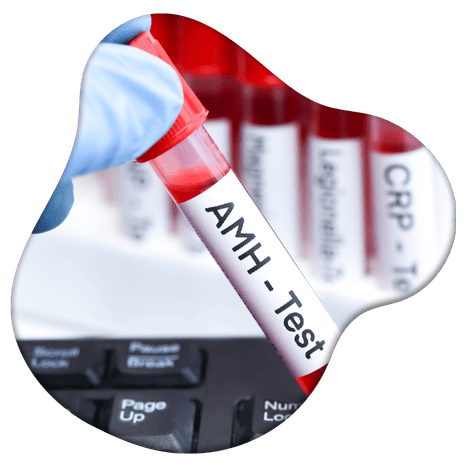
To confirm the condition and evaluate ovarian function, clinical assessment and necessary investigations may be advised, including AMH blood test, hormonal profile (FSH, LH, estrogen), ultrasound imaging (AFC – Antral Follicle Count), and other fertility-related tests. Ayurvedic practitioners also evaluate dosha imbalance (primarily Vata), depletion of Ojas (vital energy), and condition of Shukra Dhatu (reproductive tissue), which influence ovarian health and fertility potential.

Early and accurate diagnosis helps guide targeted treatment planning, supports improvement in ovarian function, enhances egg quality, and increases the chances of conception while preventing further decline in reproductive health.

Tuberculosis TB 5

Blood Tests & Infection Assessment

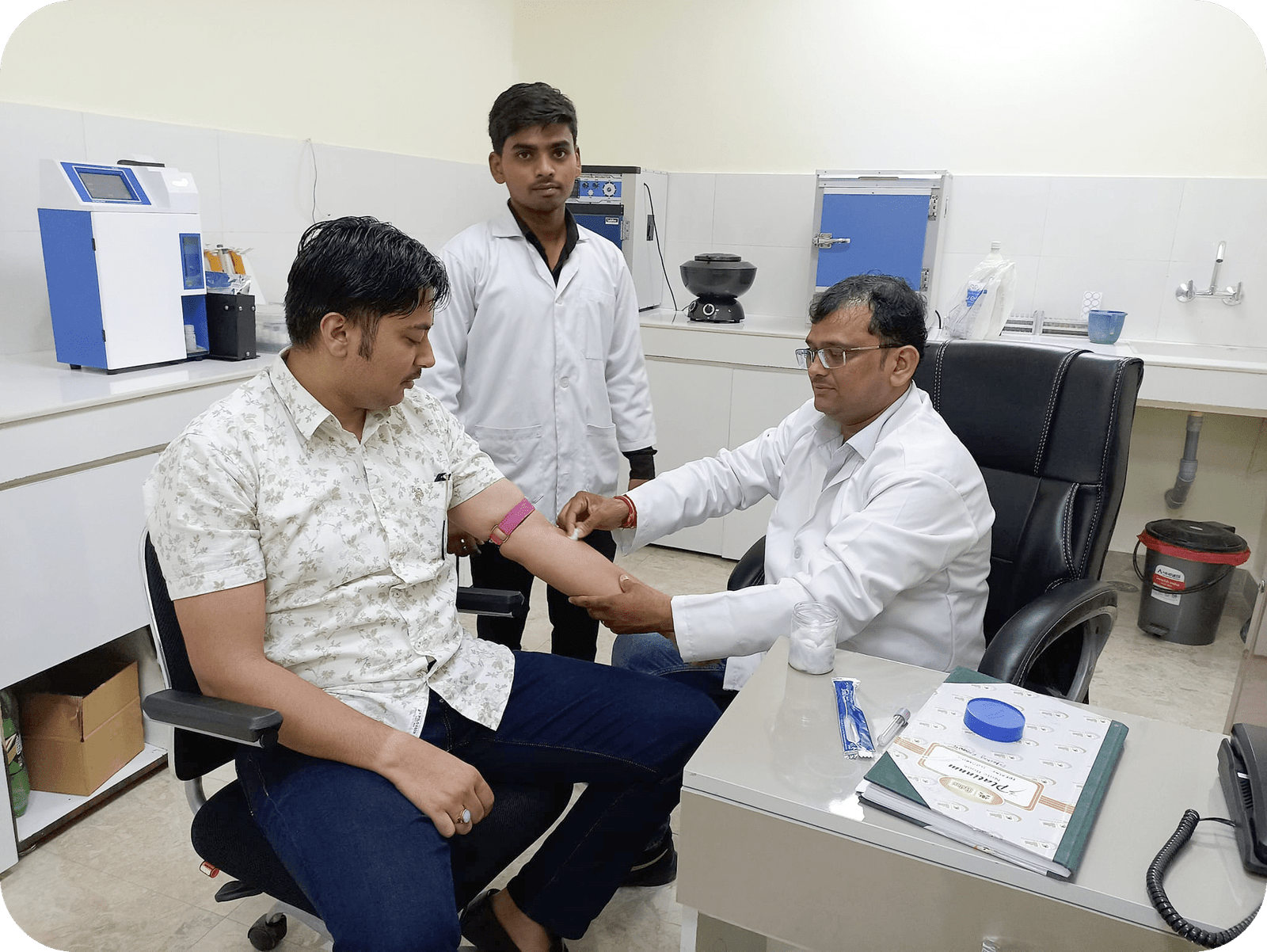
Blood and laboratory tests play a key role in assessing and confirming Low AMH and overall ovarian reserve. Tests such as AMH (Anti-Müllerian Hormone), FSH, LH, estrogen levels, and thyroid profile help evaluate hormonal balance and reproductive health. These investigations provide insight into ovarian function, egg reserve, and fertility potential, helping doctors plan an effective treatment strategy.

Physical & Clinical Examination

A comprehensive evaluation is important to assess reproductive health and underlying causes of Low AMH. Doctors review menstrual history, fertility challenges, lifestyle factors, stress levels, and overall health condition. Ultrasound imaging such as Antral Follicle Count (AFC) is often used to assess ovarian reserve. This clinical assessment helps confirm the condition and guides further diagnosis and treatment planning.

Advanced Evaluation & Screening

In certain cases, advanced evaluations may be advised to assess fertility status in detail and rule out underlying reproductive conditions. Additional tests such as ovarian reserve markers, pelvic ultrasound, and specialized fertility assessments may be recommended. These evaluations support accurate diagnosis, help identify contributing factors, and ensure proper treatment planning for improving fertility outcomes.

Early diagnosis of Low AMH helps improve ovarian function, enhance fertility potential, and support better chances of conception with timely and targeted treatment.

Why Us

Our Care, Your Health

5 2

Personalized Root-Cause Based Treatment

Unlike conventional treatments that focus only on symptoms, Purevedic Life offers a root-cause approach. Their Ayurveda experts customize treatments based on an individual’s body type (Prakriti), medical history, and lifestyle.

istockphoto 457344351 612x612 1

Pan India Presence More Than 50 Clinic In India

With 80+ clinics across India, they provide easy access to authentic Ayurvedic healthcare. This makes it convenient for patients to consult specialists near them.

6.OPD Reception 1 1024x683 1

Trusted by millions 600 consultations each day

Purevedic Life has gained trust and credibility, serving 1.5 million+ patients. The large patient base suggests high success rates and satisfaction.

ga4nVEcFKs1mUML3uJWyYsZCeA1EJP metaNDM1LnBuZw

More than 1.5 Million consulted

They handle 800+ consultations per day, showing the scale and efficiency of their operations. Their wide network of doctors and clinics ensures quick and expert healthcare support.

1729776020771

400+ Certified Ayurveda Doctors

They have a team of 400+ certified Ayurvedic doctors. The doctors provide holistic healing with proven natural remedies and Ayurvedic formulations.

makesspeacial img 5

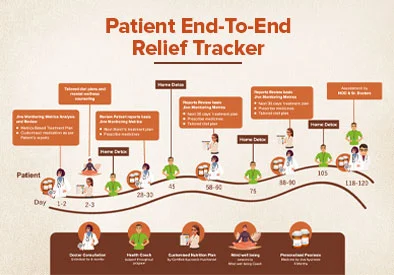
Patient outcomes End-To-End Relief Tracking

They focus on long-term health improvements rather than just short-term relief. Their end-to-end relief tracking ensures that the treatment is working effectively over time.

100% Refund Policy

Your Satisfaction, Guaranteed!

Untitled design 5

Ayurvedic Treatment For Low AMH at Purevedic Life

Ayurveda is an ancient system of medicine that focuses on treating conditions by addressing their root cause rather than just managing symptoms. In Low AMH, Ayurvedic treatment aims to improve ovarian function, balance hormones, enhance egg quality, and support overall reproductive health. This holistic approach works on balancing the body, mind, and doshas, nourishing Shukra Dhatu (reproductive tissue), eliminating Ama (toxins), and strengthening Ojas (vital energy) to support natural fertility.

Ayurvedic therapies focus on improving blood circulation to the ovaries, reducing stress-related hormonal imbalance, detoxifying the system, and supporting tissue nourishment. By addressing both internal imbalances and lifestyle factors, Ayurveda helps improve ovarian reserve response, enhance fertility potential, slow down further decline, and promote long-term reproductive wellness naturally.

Below are some key aspects of Ayurvedic treatment for Low AMH, which may include –
5

Herbal Remedies

Ayurvedic practitioners use specific herbal formulations to help improve ovarian function, balance hormones, and support reproductive health in Low AMH. Herbs like Shatavari, Ashwagandha, Lodhra, and Guduchi help nourish Shukra Dhatu (reproductive tissue), enhance egg quality, and improve hormonal balance. Herbal support also helps reduce stress, improve vitality, and strengthen overall fertility when taken under professional Ayurvedic guidance.

6

Dietary Guidelines

Ayurveda emphasizes a personalized Vata-balancing and fertility-supportive diet for managing Low AMH. Warm, nourishing, and easily digestible foods such as milk, ghee, nuts, seeds, fresh fruits, and whole grains are recommended to support hormonal balance and reproductive strength. Foods that are excessively processed, cold, dry, or stress-inducing (like caffeine and junk food) are discouraged as they may aggravate Vata dosha and negatively impact ovarian health.

7

Panchakarma Therapy

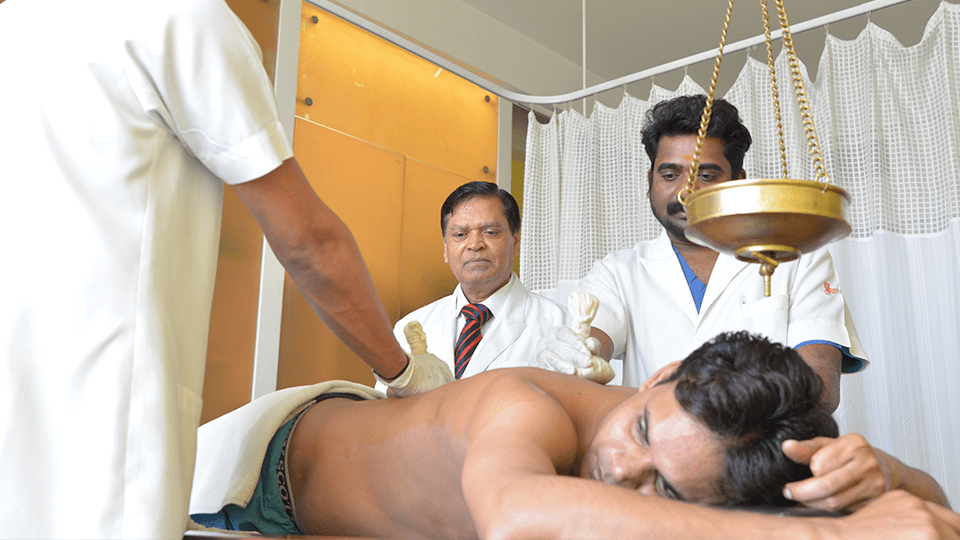
Panchakarma therapies help detoxify the body, improve circulation to reproductive organs, and balance doshas in cases of Low AMH. Treatments such as Abhyanga (medicated oil massage), Shirodhara, and specialized detoxification therapies may be advised to reduce stress, eliminate toxins, and improve hormonal regulation. These therapies support better ovarian response, enhance egg quality, and promote gradual improvement in fertility under expert Ayurvedic supervision.

8

Yoga and Meditation

Yoga and meditation play a vital role in improving hormonal balance, reducing stress, and supporting reproductive health in Low AMH. Gentle yoga practices, breathing exercises, and relaxation techniques help improve blood circulation to the ovaries, regulate endocrine function, and enhance the body’s natural healing response. Pranayama and meditation help calm the nervous system, reduce stress-induced hormonal imbalance, and support better fertility outcomes and overall wellbeing.

9

Lifestyle Changes

Ayurveda encourages specific lifestyle modifications to support healing and prevent recurrence of Gonorrhea. Maintaining proper hygiene, avoiding risky exposures, improving sleep quality, and following a disciplined daily routine (Dinacharya) are essential. Reducing stress, avoiding alcohol and unhealthy habits, and focusing on a balanced lifestyle help strengthen immunity and support long-term reproductive health.

10

Ayurvedic Medications

Ayurvedic medications are prescribed based on an individual’s Prakriti and Vikriti. In Low AMH, treatment focuses on improving ovarian function, balancing hormones, and nourishing reproductive tissues. Formulations like Shatavari, Ashwagandha, Lodhra, Guduchi, and Rasayana therapies help rejuvenate the reproductive system, improve egg quality, and enhance overall vitality. These should always be taken under expert Ayurvedic supervision for safe and effective results.


Get FREE Consultation

GET IN TOUCH TO GET STARTED FASTER

Give us a ring

+91 88103 74294

Our Media Partners

Get FREE Consultation

We are ready to help you. Fill out the form below to get started.

Alternatively you can contact us at: info@purevediclife.com
* We don’t share your information with third party.